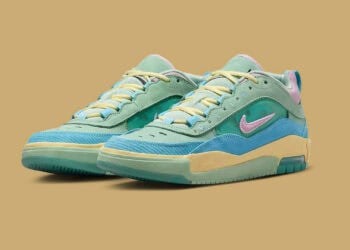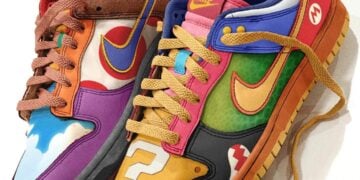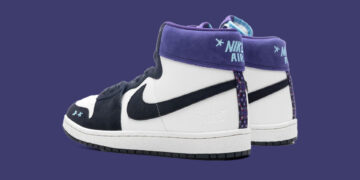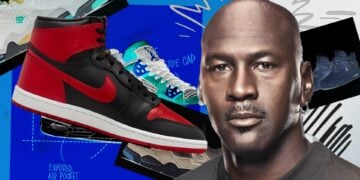

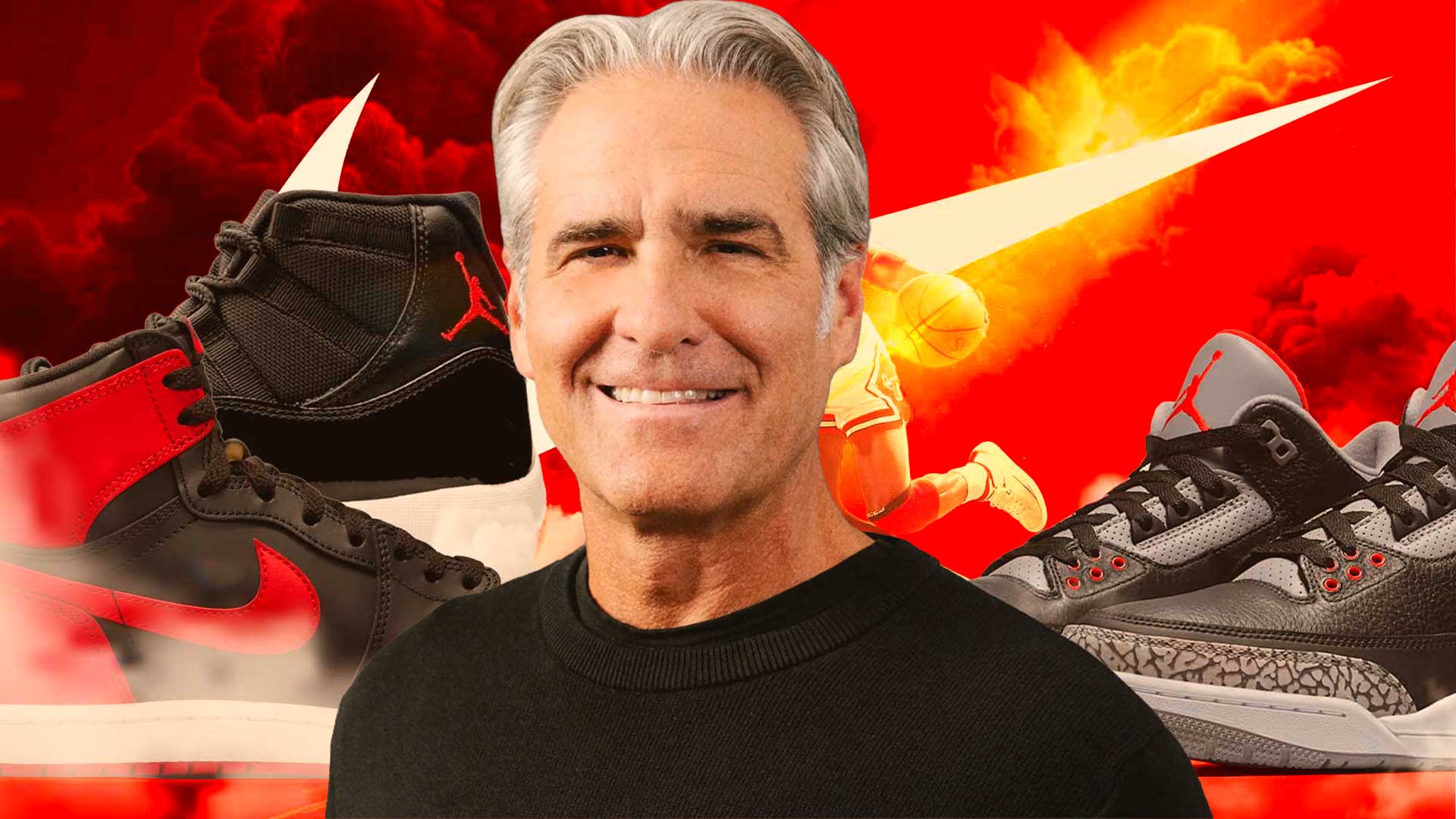


Elliott Hill, who returned to lead Nike in 2024 after three decades with the company, is trying to reset the tone at the world’s largest sportswear brand while Wall Street watches every move. His message is blunt: the focus is sport, and the Swoosh is building again from there.
“We have a joint consumer and they want access to our brands,” Hill said in a Bloomberg TV interview. “When we’re driving growth and profitability for our retailers, that’s how we take market share.”
Nike’s wholesale business still accounts for about 60% of revenue, yet the company spent the early 2020s pushing hard into its own direct channels. Retail partners felt sidelined. Long-time fans drifted toward Adidas, On, Hoka and Anta. The reset now? Rebuild those relationships and get product flowing where customers actually shop.
The early numbers show movement. In the quarter ended November 30, 2025, Nike posted revenue of $12.427 billion. Net income, though, slipped to $792 million from $1.163 billion a year earlier. Margins are under pressure. The stock has dropped about 12% over the past year and sits more than 50% below its 2021 peak.
“We’re confident that the sport offense is the path forward,” Hill said in the same interview. He points to proof points: North America back to growth, running up double digits, wholesale in the region climbing roughly 20%. Overall North America sales rose 9%.
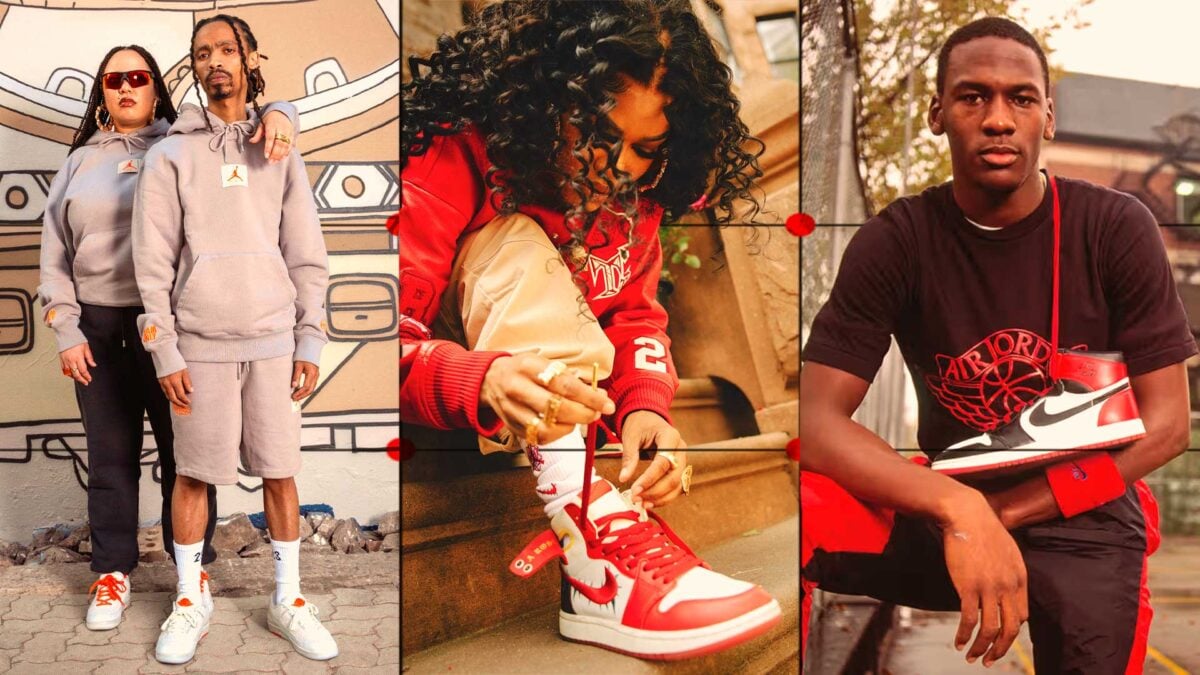
The global push is next. Hill insists the wholesale recovery isn’t just a North America story. He credits veteran leadership in the region and says similar momentum will show up elsewhere. The goal is to segment each of Nike’s three major brands, Nike, Converse and Jordan, by sport, then execute across 190 countries. Scale still matters. Few companies can match it.
Outdoor is one battleground. Speaking from Milan during the Winter Olympics, Hill spotlighted the revived All Conditions Gear line, first introduced about 40 years ago. This time, the emphasis lands squarely on trail running. “You don’t just elbow your way in,” he said. “You have to be authentic to the sport.” That’s a subtle jab at brands that slap a logo on a category and hope for the best.
Basketball, football and performance running also sit front and center. Hill says “newness and freshness is working,” and one lifestyle bright spot is the Air Force 1 franchise, which is growing again after cooling off.
Then there’s Converse. Revenue at the brand fell 30% as demand for the Chuck Taylor slowed. Nike has begun layoffs and restructuring, with employees asked to work from home during the process. Q2 2026 results underline the strain. When earnings drop to $792 million, underperforming divisions hit harder. “We’re committed to the Converse brand,” Hill said, describing it as “a separate and distinct consumer” and “a separate and distinct opportunity for growth.” The plan centers on basketball, skating and the Jack Purcell line.
China remains tricky, though. Sales in Greater China have slid, and competitors such as Adidas, On and Anta are pressing harder. Hill wants to reposition Nike “through the lens of sport,” highlight local athletes and clean up the digital marketplace. Easier said than done in a region where consumer loyalty can shift fast.
Nike’s long-term narrative projects $50.7 billion in revenue and $4.4 billion in earnings by 2028. That implies about 3.1% annual revenue growth and a $1.2 billion earnings lift from today’s $3.2 billion base. Some analysts think $55.7 billion in revenue and $6.0 billion in earnings are possible. Others aren’t convinced. The fair value model floating around suggests $76.97 per share, roughly 22% upside from current levels.
Elliott Hill has warned the turnaround “won’t be a straight line.” He’s right. But if the wholesale engine keeps humming, sport stays the anchor, and underperforming brands get sharper, Nike doesn’t need a miracle. It needs consistency.
RELATED: Why No One’s Buying Jordans Anymore