


It’s been more than 40 years since Michael Jordan first stepped out in Nike’s Air Jordan 1 sneakers, and yet they’re still one of the most popular sneakers in 2026. That legacy wasn’t just built on cool designs and game wins, but history and details that many believe helped shape its legacy. Here are 23 facts about Air Jordan sneakers you might not know.
The Jumpman Logo Started With a Photographer, Not Nike
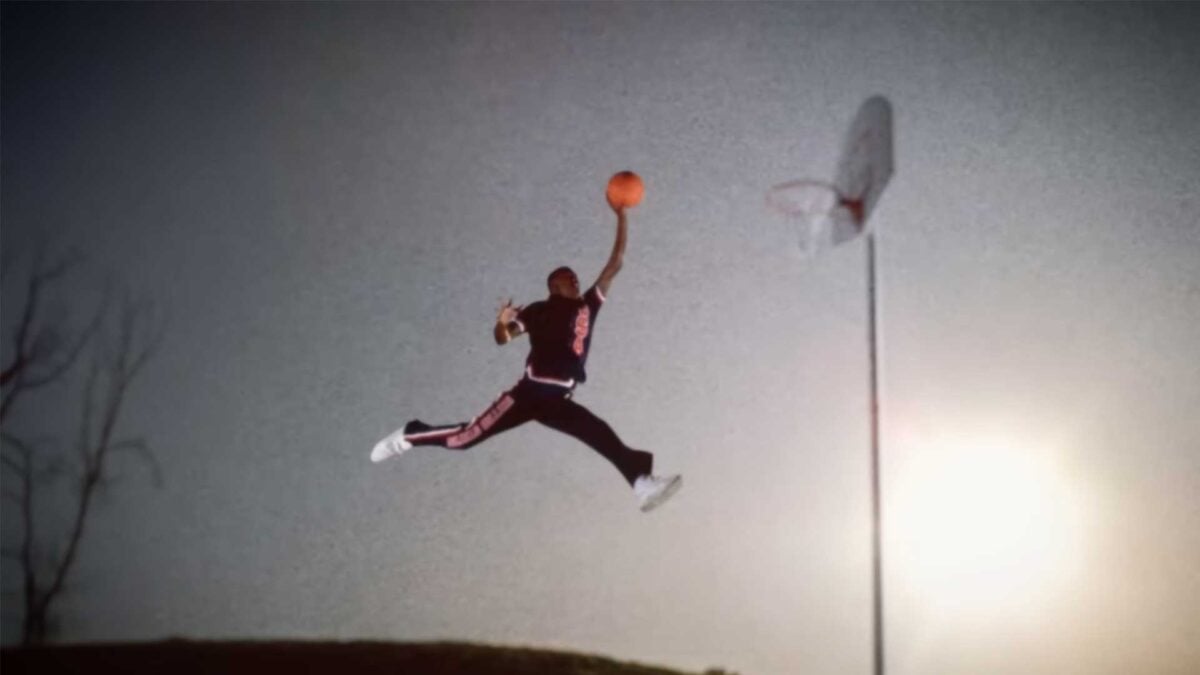
The Jumpman didn’t come from a design lab. It came from a 1984 photo shoot. Dutch photographer K.R. Meer told a 21-year-old Michael Jordan to leap like a ballet dancer while working on a Life Magazine Olympic feature. Jordan wore New Balance sneakers and Adidas socks. Nike later recreated the pose after spotting the image, swapped the shoes for Jordans, and turned it into brand history. Meer got paid $150 for two transparencies. That was it. No royalties. No credit. He’s sued the company plenty of times for the “betrayal”.
Nike Recreated the Jumpman Before Jordan Signed Anything
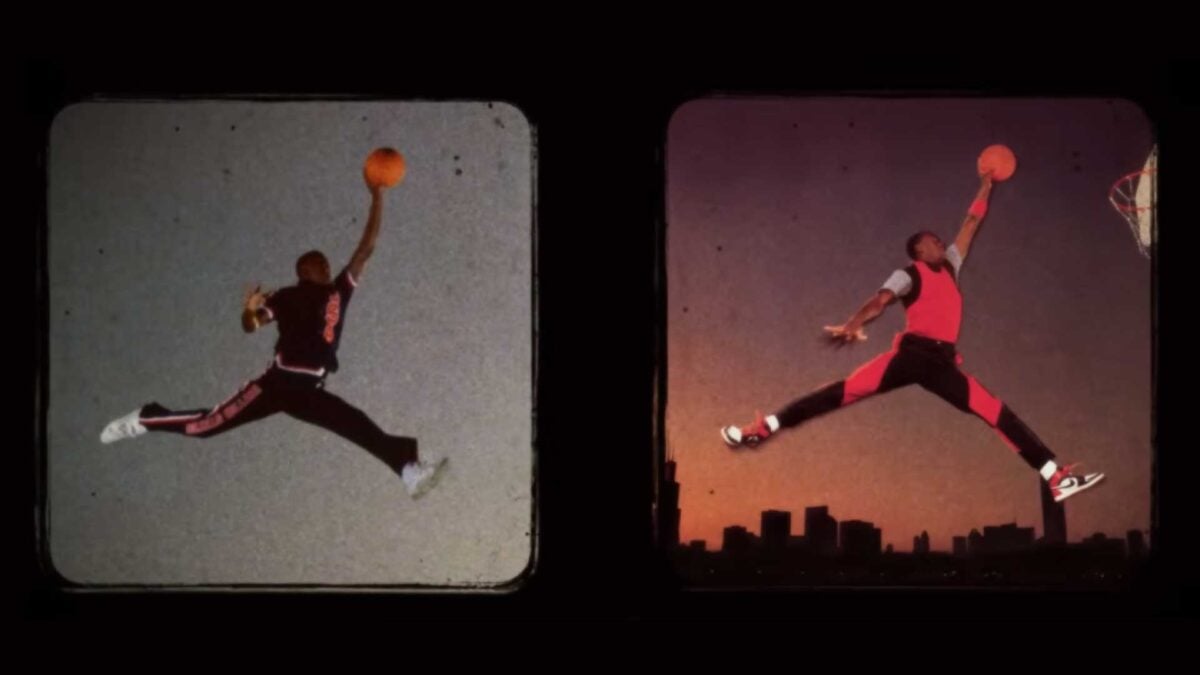
The original Life Magazine photos ran while Jordan still loved Adidas and hadn’t agreed to anything. Nike moved fast. They photographed Jordan mid-air again, same leg split, same hang time, but now in Air Jordans. That single footwear change locked the image to the brand forever. When you look at the logo now, you’re seeing a recreated moment that rewrote ownership in one jump.
Jordan Said No to $2.5 Million Before Playing a Game
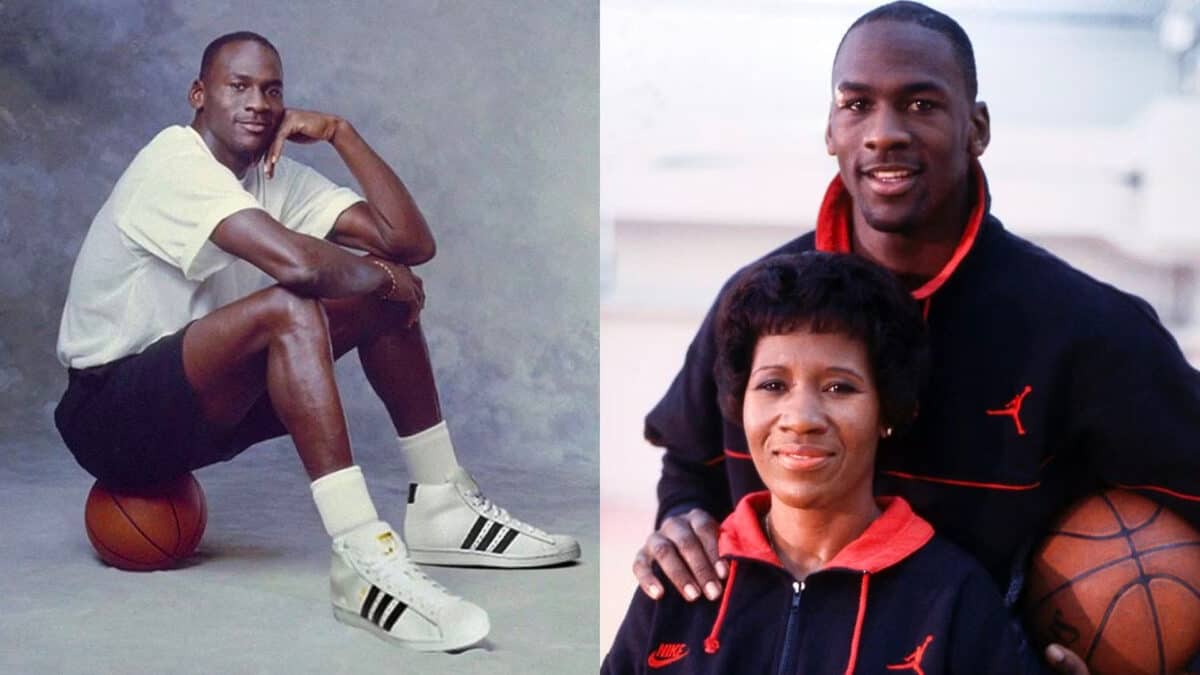
Nike offered Jordan $2.5 million, his own sneaker line, and royalties before his rookie season. He said no. He wanted Adidas, which he wore at UNC. He also practiced in them, despite having Converse sponsorships. Eventually, Jordan listened to his parents and met Nike again. Adidas missed the easiest decision of their lives.
Michael Jordan Dropped 42 at Madison Square Garden in Air Jordan Retro 1s
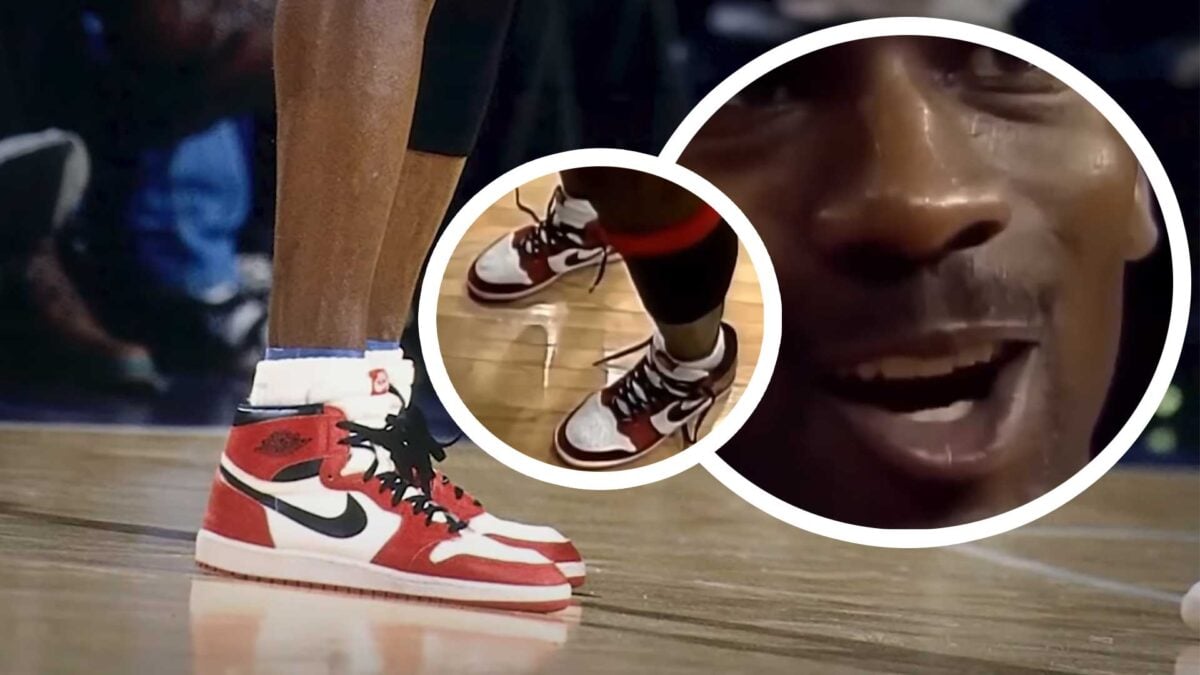
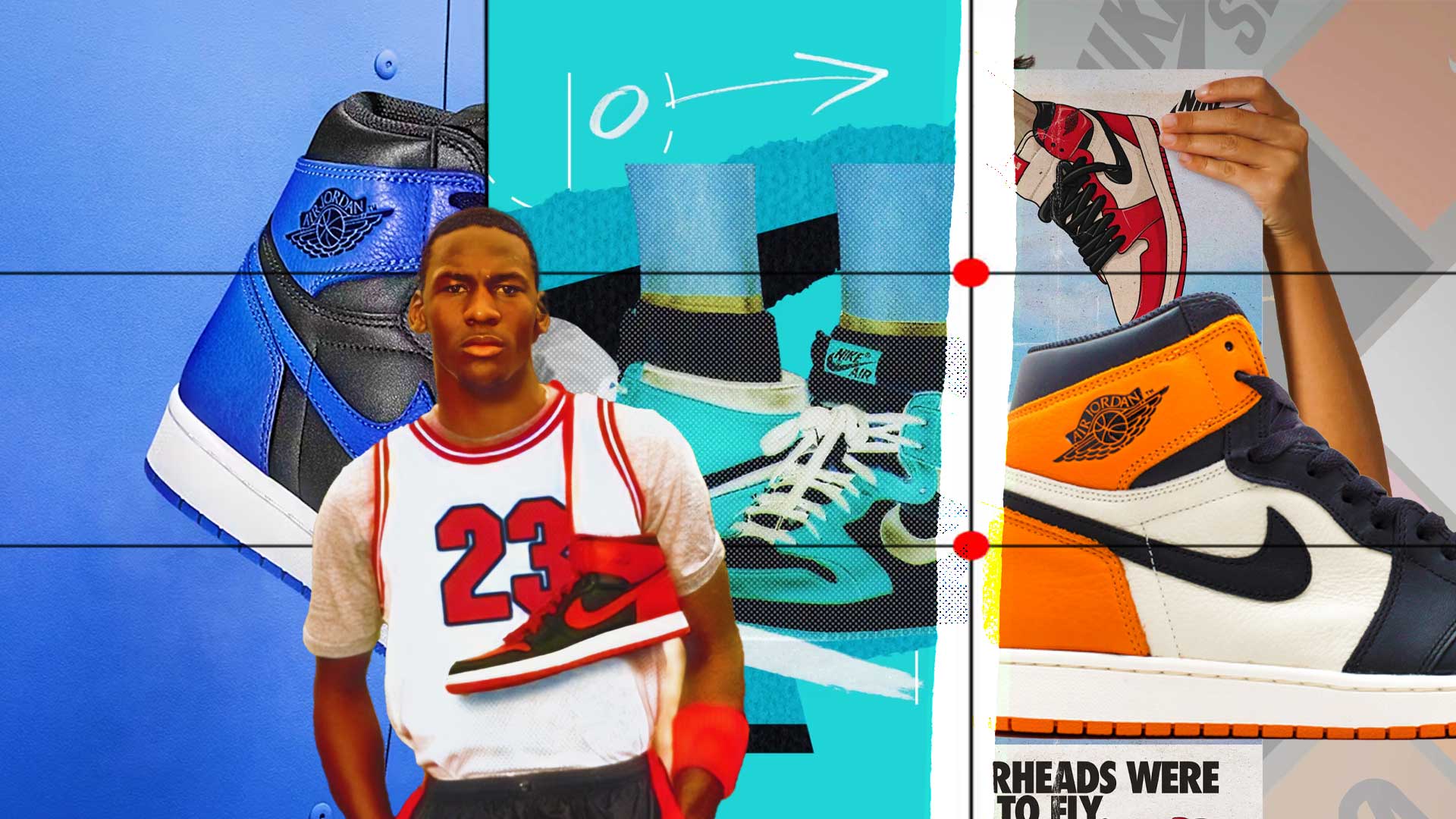
In 1998, rumors swirled that this was Jordan’s final season. His last game at Madison Square Garden mattered to him. He wore the Air Jordan 1. His first Nike shoe. He scored 42. Postgame, he admitted his feet hurt. The shoes had shrunk. He wore a size 12 then. Now he needed a 13.
The Air Jordan 1.5 Existed Because Jordan’s Feet Hurt
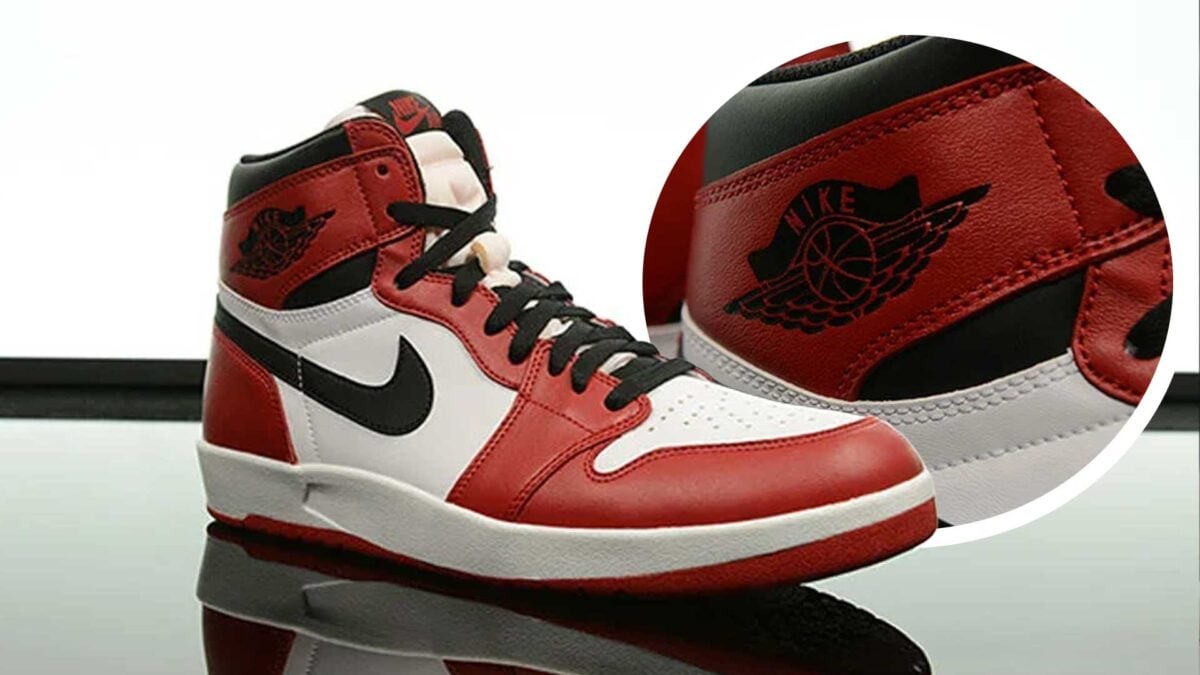
The Air Jordan 1 lacked support. Jordan felt it. Nike responded quietly. They fused a Jordan 1 upper with a cushioned Jordan 2 sole. Jordan wore them in games. Fans never got them. Decades later, Nike released them in 2015. But they failed to impress sneakerheads.
Nike Built Strap-Supported Jordan 1s After His Foot Injury
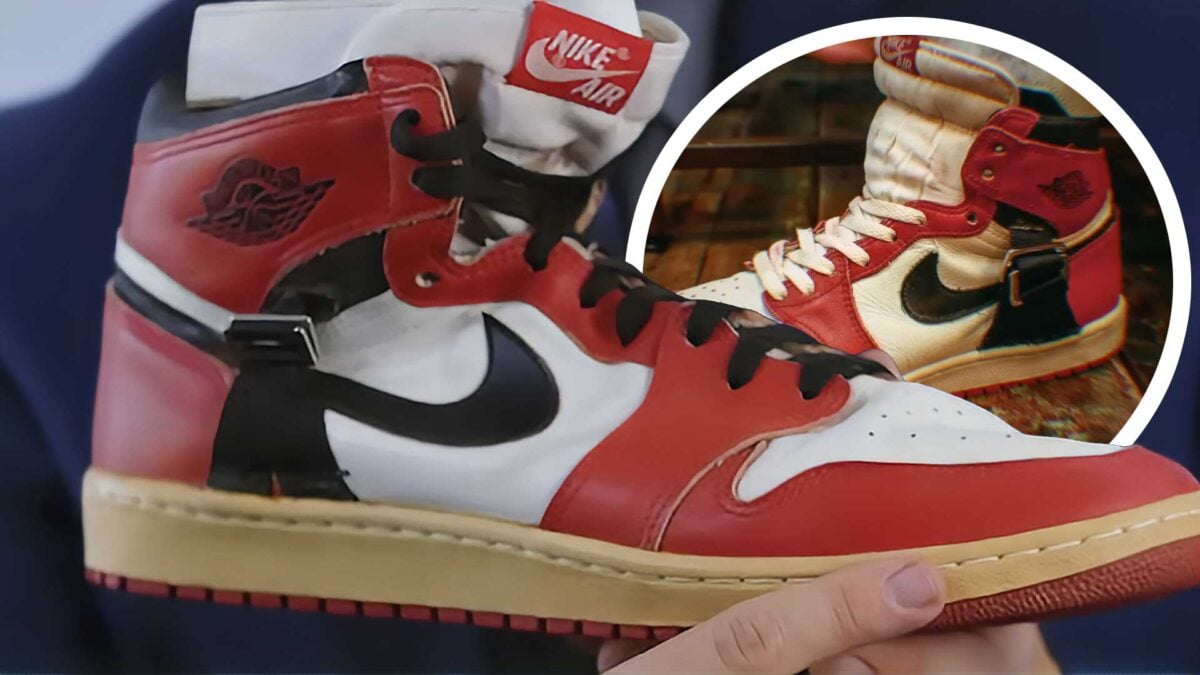
In October 1985, Jordan broke his left foot. Nike panicked. They made Jordan 1s with a black external strap and internal support system. Only a few pairs existed. One sold for $55,000.
The Air Jordan 3 Saved Nike’s Relationship With Jordan
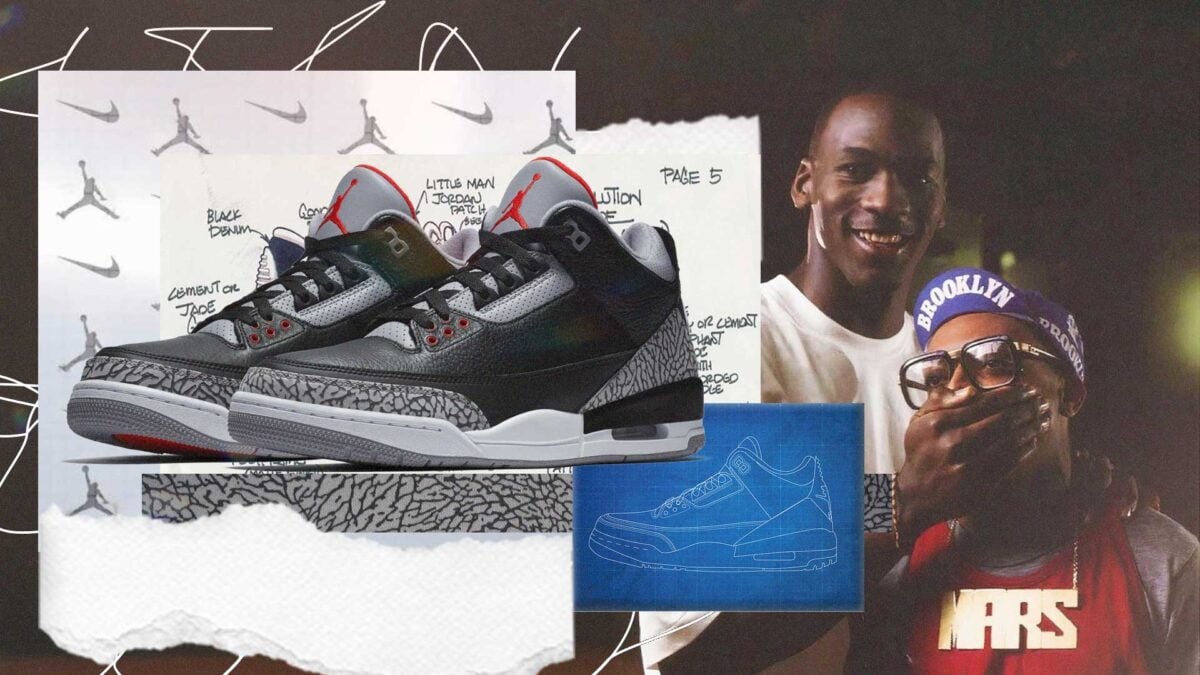
By 1987, Jordan wanted out. Nike panicked. Peter Moore left. Rob Strasser left. Tinker Hatfield arrived with the Air Jordan 3. Elephant print. Tumbled leather. Jumpman logo debut. Jordan stayed. And everything changed.
Jordan Borrowed Sneakers From a Fan to Dunk
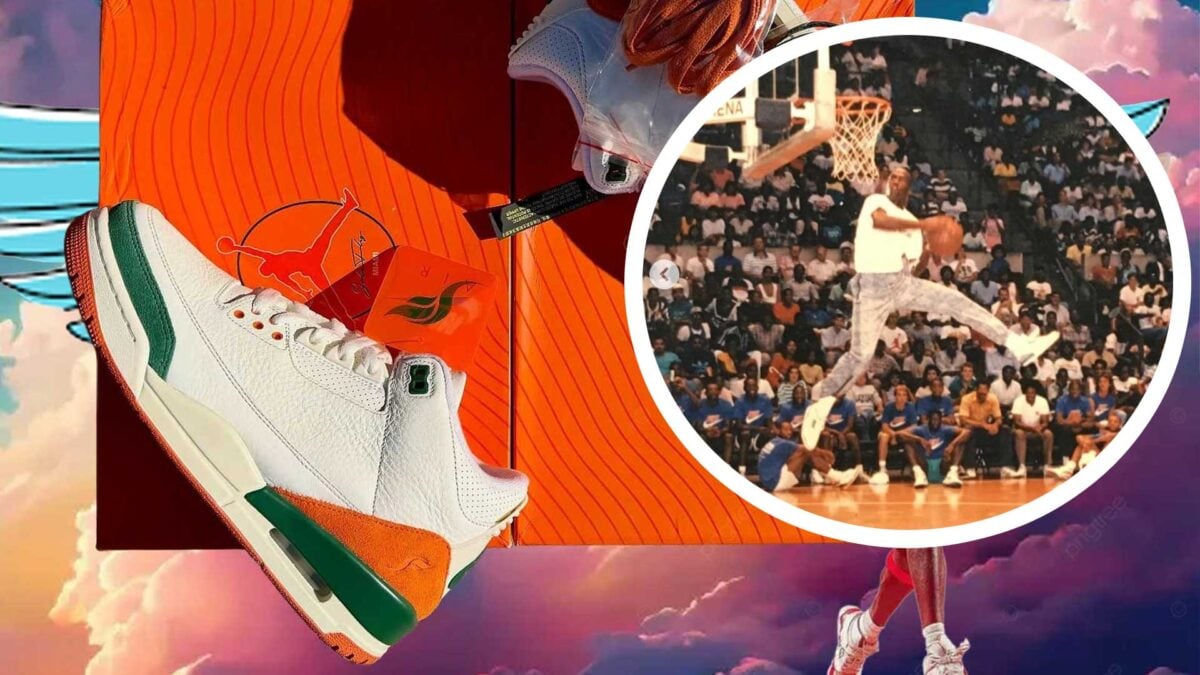
In 1988, Jordan showed up to a dunk event in dress shoes. He decided to dunk anyway and borrowed white cement Air Jordan 3s from a kid named Terry Baker. Same size. Size 14.
Will Smith Turned Fresh Prince Into Sneaker Marketing
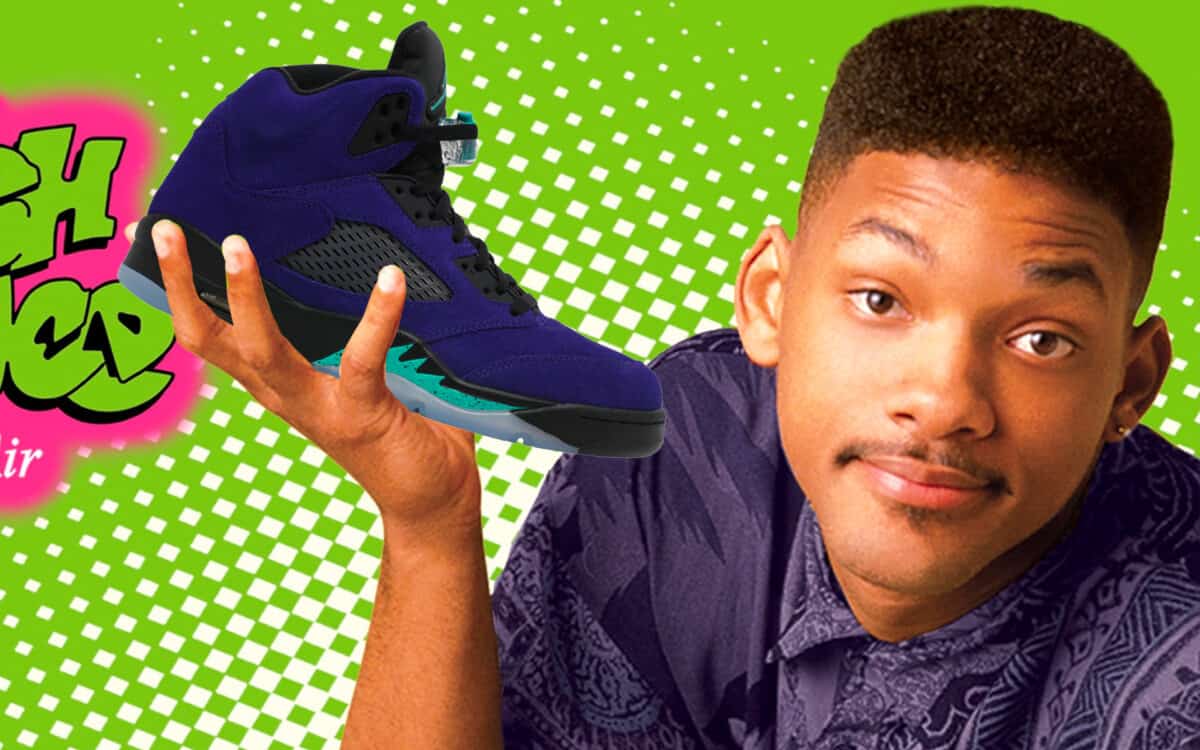
Will Smith wore Air Jordan 5s constantly on The Fresh Prince of Bel-Air. Millions watched. Jordan releases gained free exposure. Smith even called Jordan asking for unreleased pairs. Jordan said no. But Will continued wearing pairs on the show. This was early influencer marketing before the word existed.
Shattered Backboard Came From an Exhibition Dunk in Italy
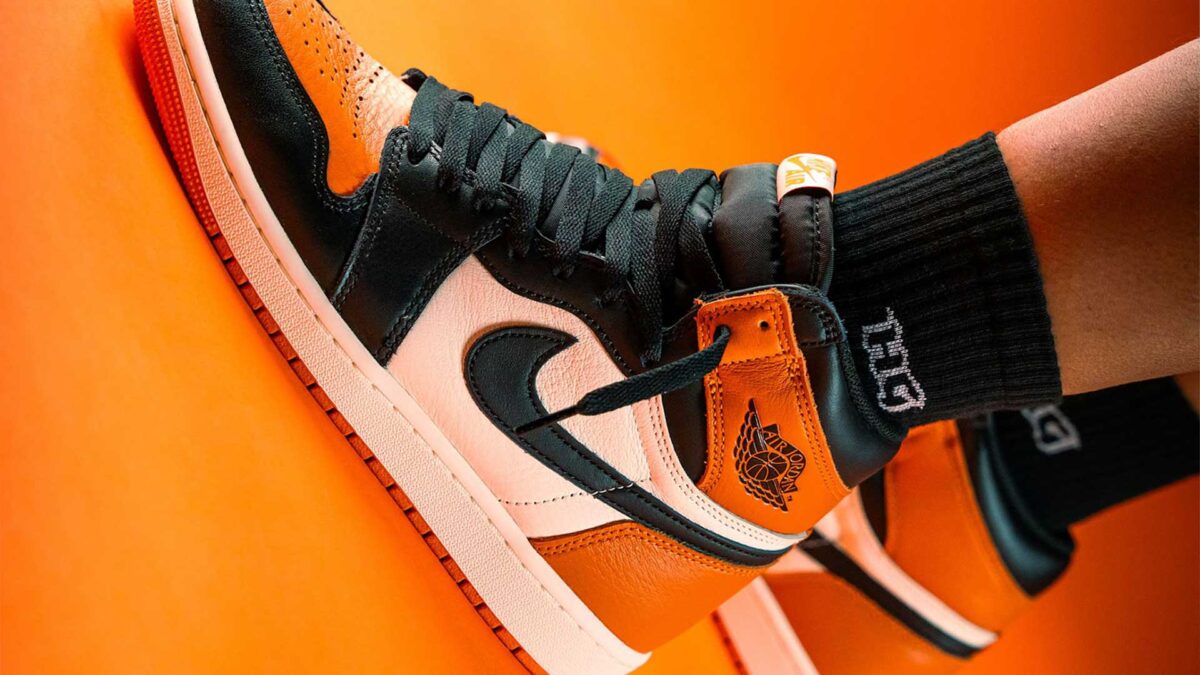
In 1985, Jordan shattered a backboard during a Nike tour game in Trieste, Italy. Orange rim. Broken glass. Decades later, Nike turned that moment into the Air Jordan 1 Shattered Backboard. Orange and black sneakers.
Jordan Killed the Toe Cap Forever
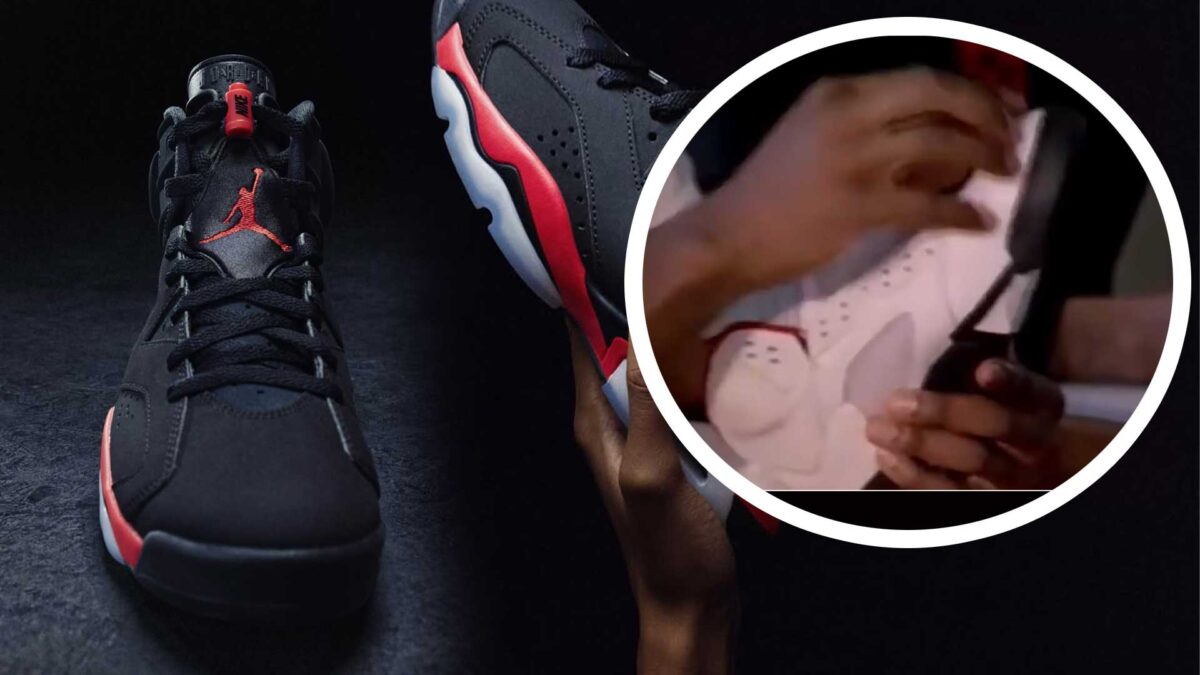
Jordan hated toe caps. Loved Italian dress shoes. When Hatfield showed him the Jordan 6, Jordan demanded a clean toe. No plastic panel. Same reaction later with the Jordan 10. After the Jordan 5, toe caps disappeared. Superstar veto power in action.
Batman Wore Air Jordans Before It Was Cool
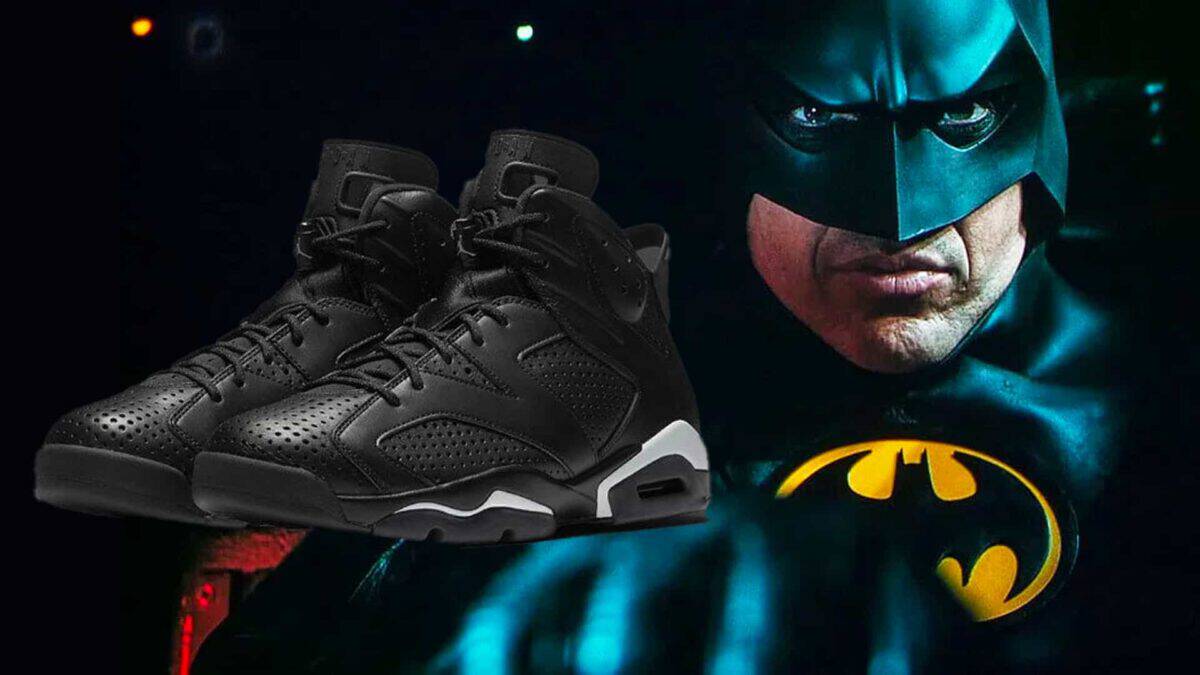
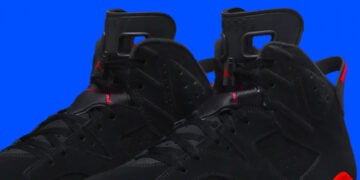
For 1992’s Batman Returns, Nike built custom all-black Air Jordan 6 boots for Michael Keaton. It provided him with extended height. At the time, product placement was booming. But there was no public release of the shoe.
Air Jordan 9 Released While Jordan Wasn’t Playing Basketball
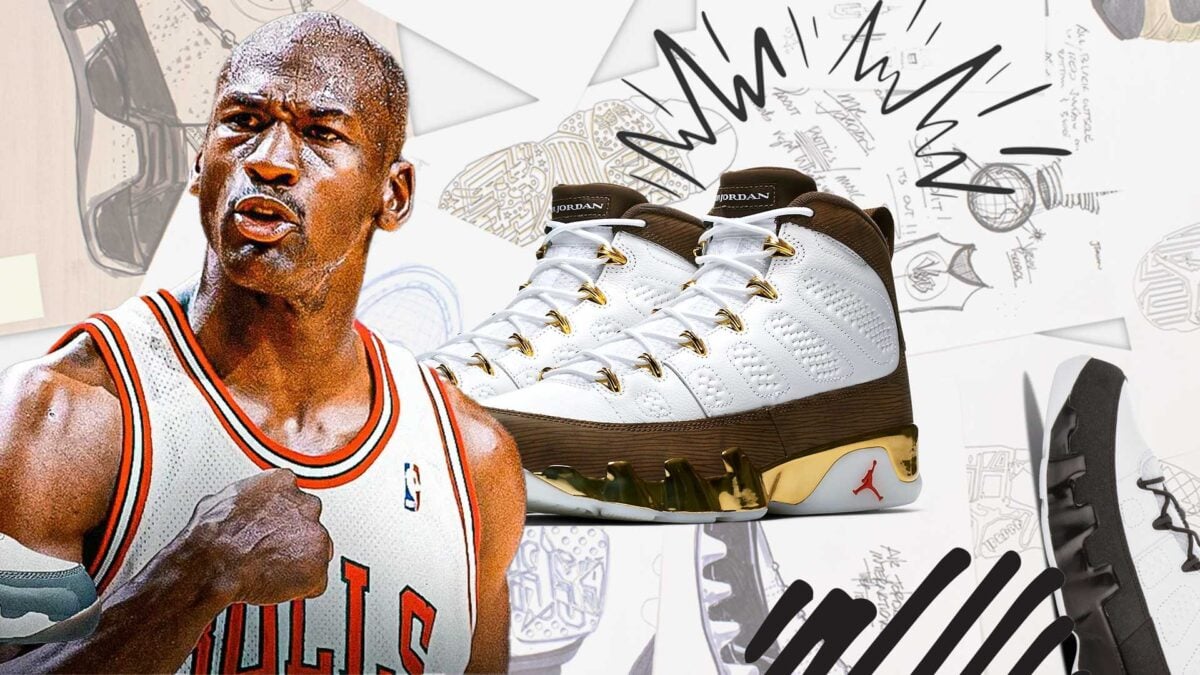
The Air Jordan 9 dropped in November 1993. Jordan had retired. He was playing baseball. He never wore the 9 on an NBA court until returning with the Washington Wizards years later. Still, the shoe mattered. It symbolized Jordan’s global reach. In fact, that statue outside the United Center shows him wearing 9s.
Air Jordan 11 Became Formal Wear by Accident
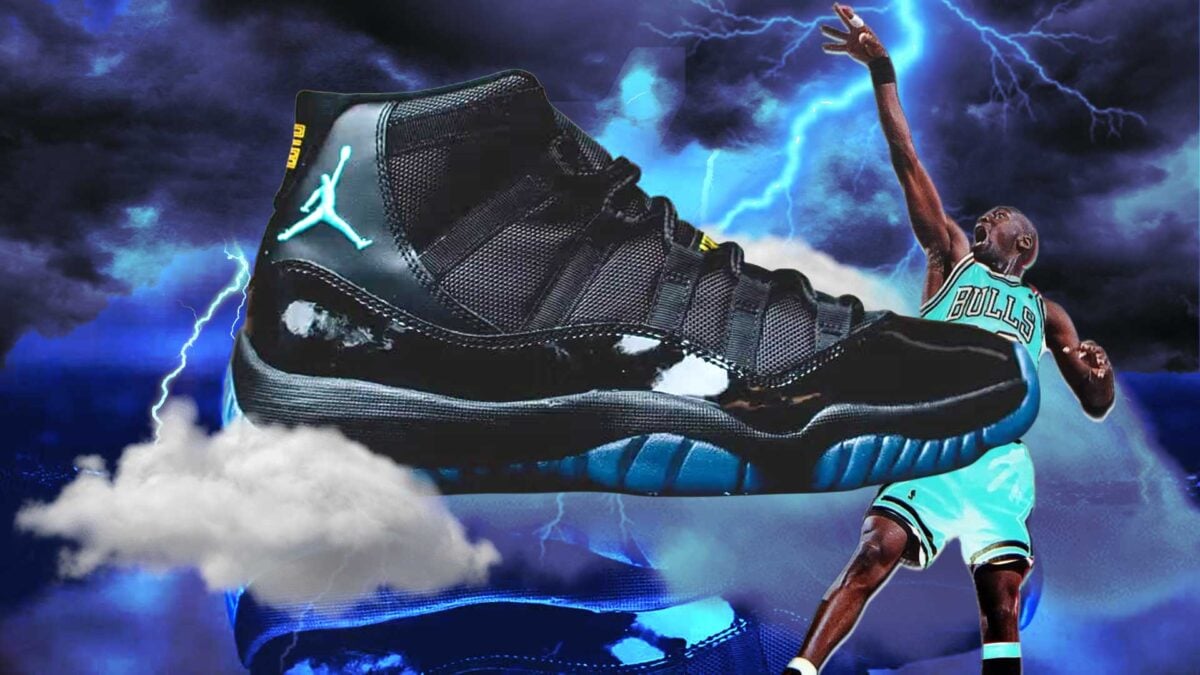
Patent leather changed everything in 1995. The Air Jordan 11 looked polished. People wore them with suits. Weddings. Graduations. The Concords felt like tuxedos. Nike leaned in with the Cap and Gown edition.
Michael Jordan Wore Penny Hardaway’s Shoes Once
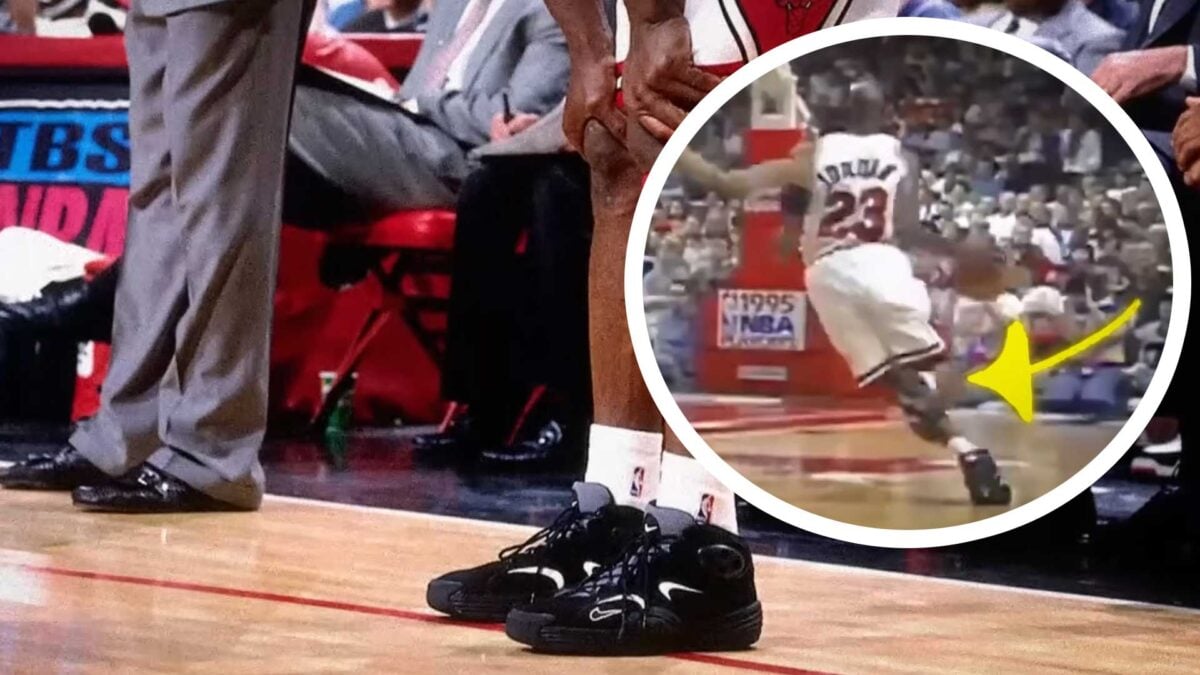
In 1995, the NBA fined Jordan $5,000 for wearing Concord 11s. Wrong colors. Next game, he wore Nike Air Flight Ones. Penny Hardaway’s signature shoe. It was the only time Jordan wore another player’s sneaker in an NBA game.
The Flu Game Was Actually Food Poisoning
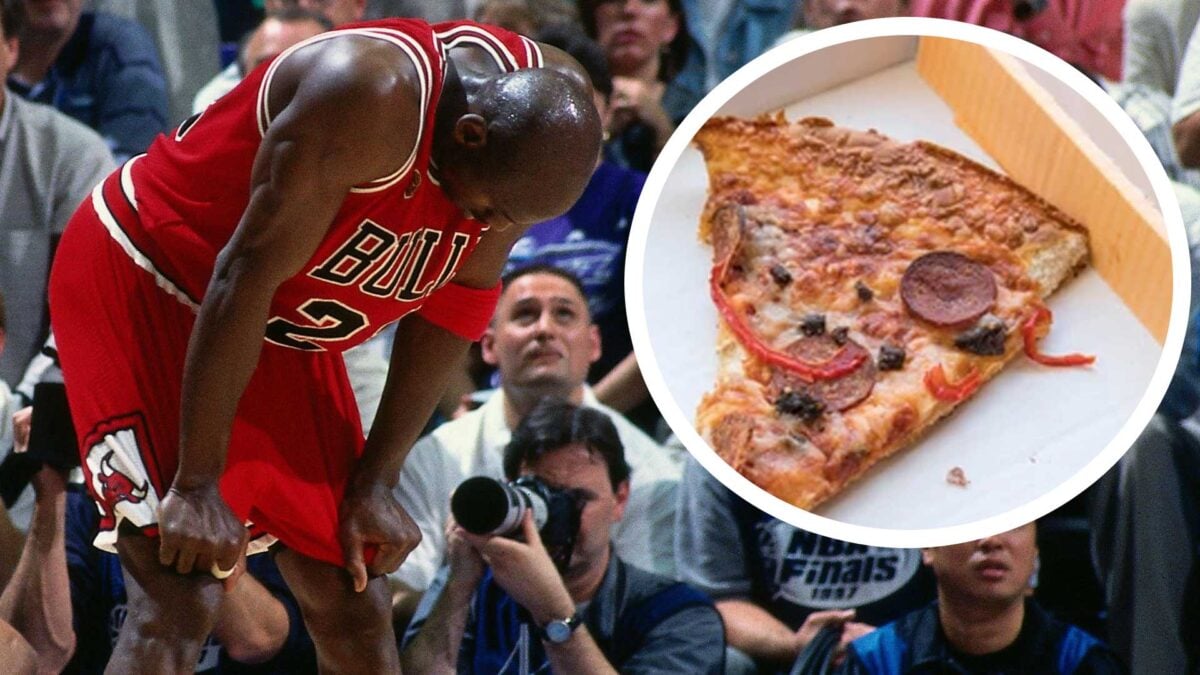
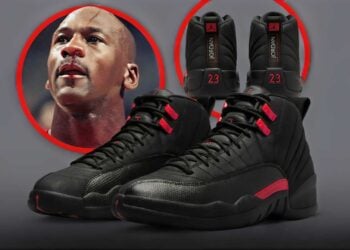
Game 5 of the 1997 NBA Finals. Jordan looked wrecked. Pale. Weak. He still led the Bulls to a 90–88 win over Utah wearing black and red Air Jordan 12s. Everyone called it the Flu Game. But the truth is less glamorous. A bad pizza the night before caused food poisoning. Trainer Tim Grover found him curled up in pain at 2 a.m. Still, the nickname stuck.
The Black Cat Nickname Shaped the Air Jordan 13
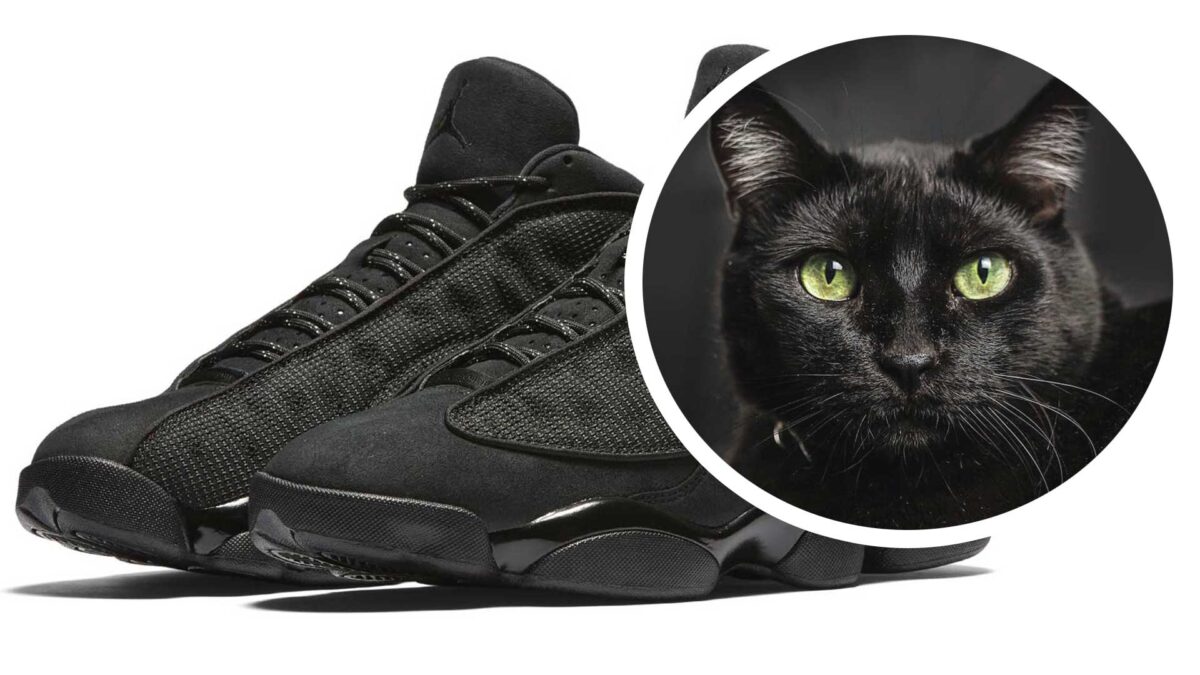
Teammates called Jordan the Black Cat. Fast. Patient. Ruthless. Hatfield designed the Air Jordan 13 around a panther. Paw-shaped outsole. Reflective mesh like fur. Holographic cat eye on the heel. Pure ’90s design confidence.
Air Jordan 14 Triggered Gang Violence Fears in California
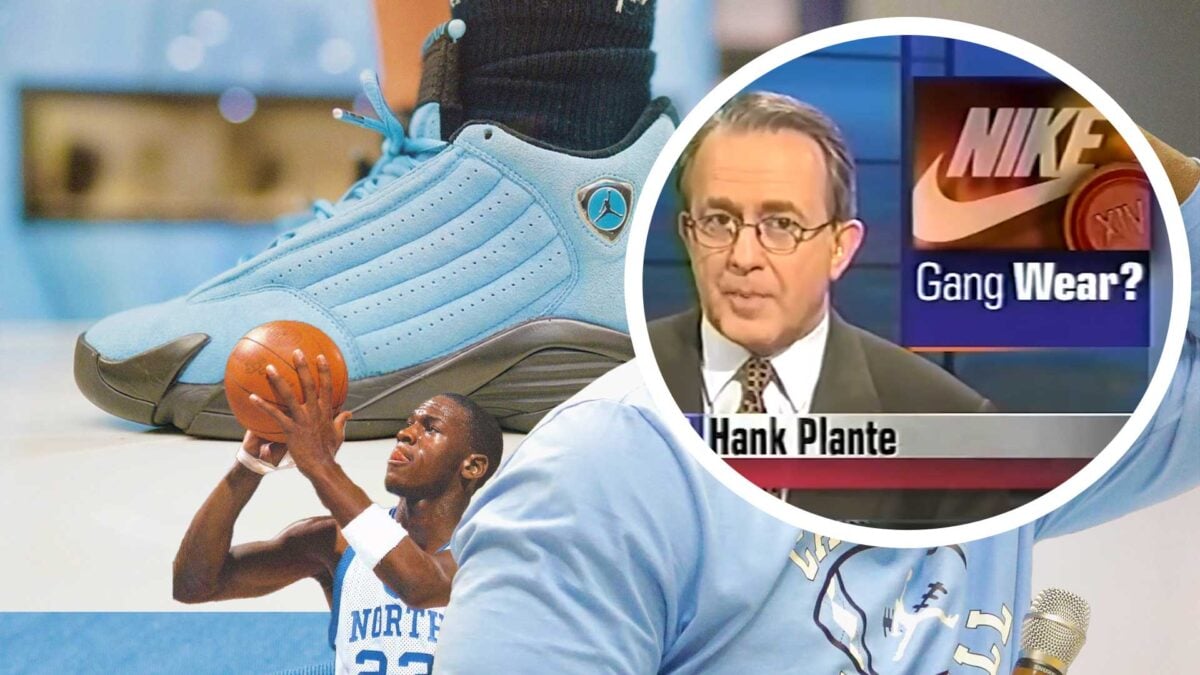
When the Air Jordan 14 dropped in 1998, police in Salinas, California panicked. The shoe featured red accents and the Roman numeral XIV. For local authorities, that spelled trouble. XIV linked to Norteño gang symbolism. The letter N is the 14th letter of the alphabet. Red was their color. The mayor wrote to Nike warning of possible violence. But they didn’t listen, and stores still sold out at $150 a pair.
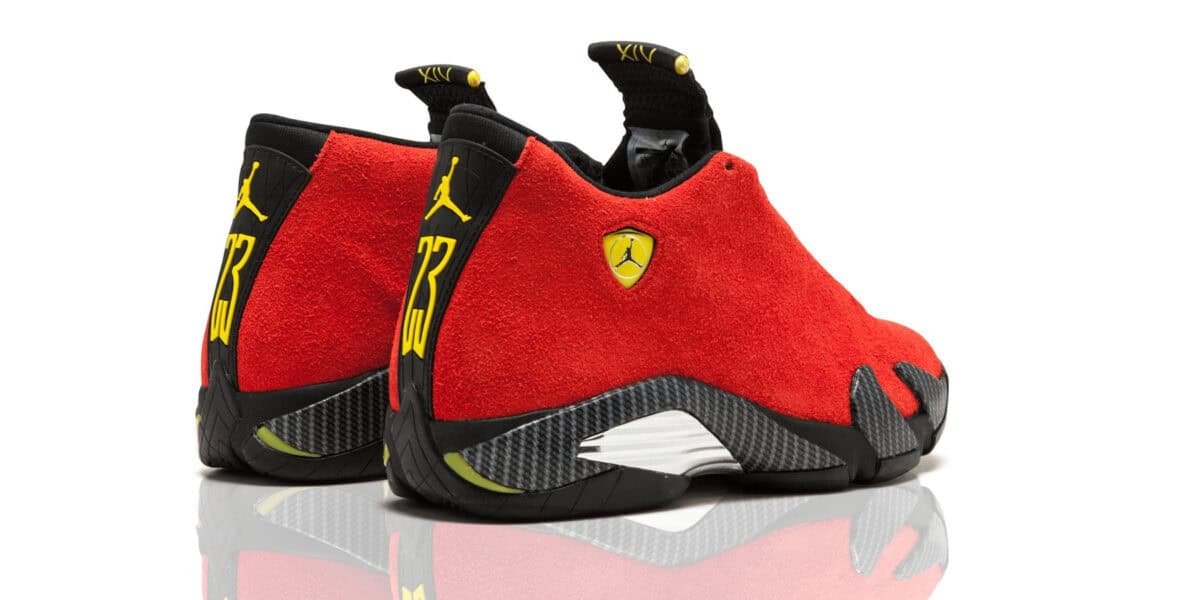
The Air Jordan 14 Was Inspired by Ferrari, Not Basketball
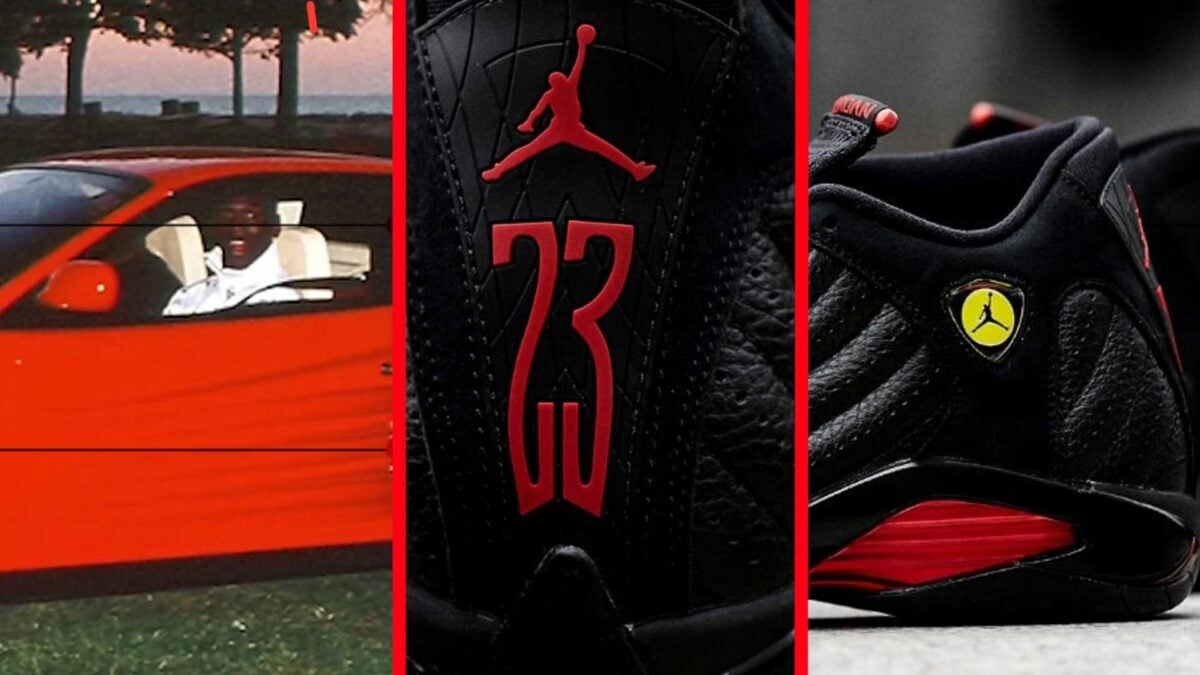
Designer Tinker Hatfield didn’t look at hardwood for the Jordan 14. He looked at Italian supercars. Jordan owned a Ferrari 355 F1 and a 550 Maranello. The midsole mimics the 550’s grille. The outsole nods to performance tires. The shield-style Jumpman badge mirrors Ferrari’s crest.
The Last Shot Was Worn in a Prototype Jordan 14
Game 6. 1998 Finals. Eight seconds left. Jordan crossed Byron Russell, hit the jumper, won his sixth title. He wore black and red Jordan 14s. Prototypes. Tinker Hatfield didn’t want him wearing them. They weren’t ready. Jordan didn’t care.
Ferrari Wasn’t the Only Car Inspiring Jordans
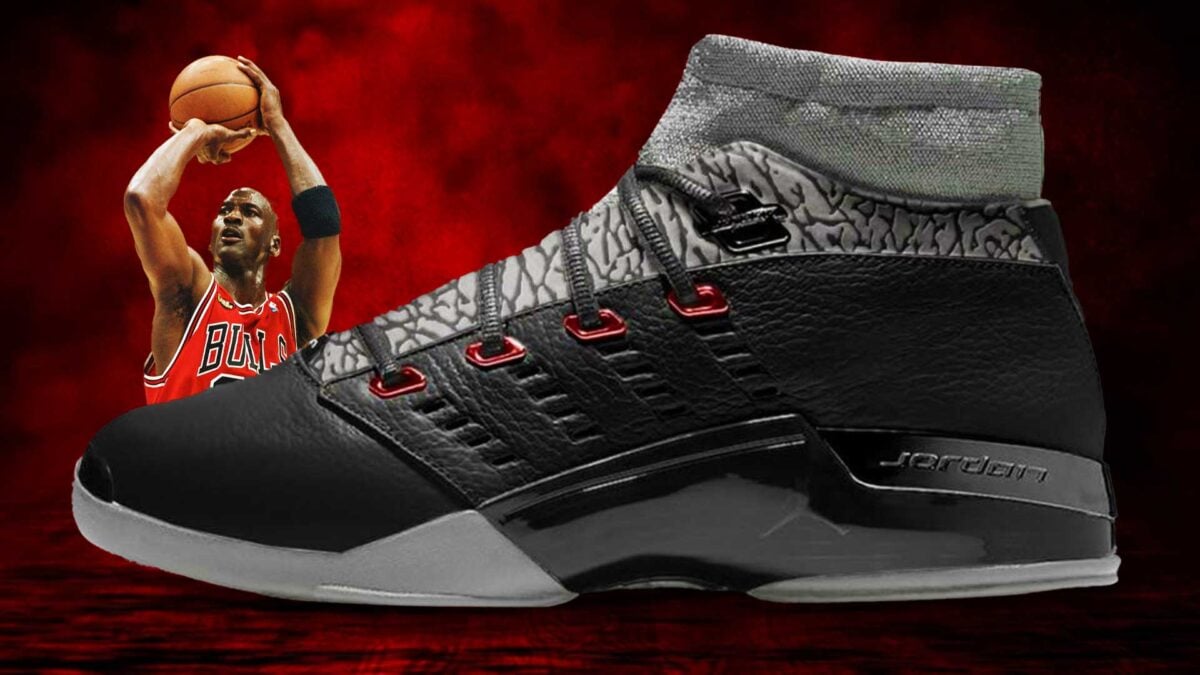
The Jordan 6 pull tab references a Porsche spoiler. The Jordan 17 nods to Aston Martin. Hatfield designed sneakers like cars. Jordan approved. Performance mixed with luxury cues. Shoes as machines.
The First Non-Basketball Jordan Was for Randy Moss
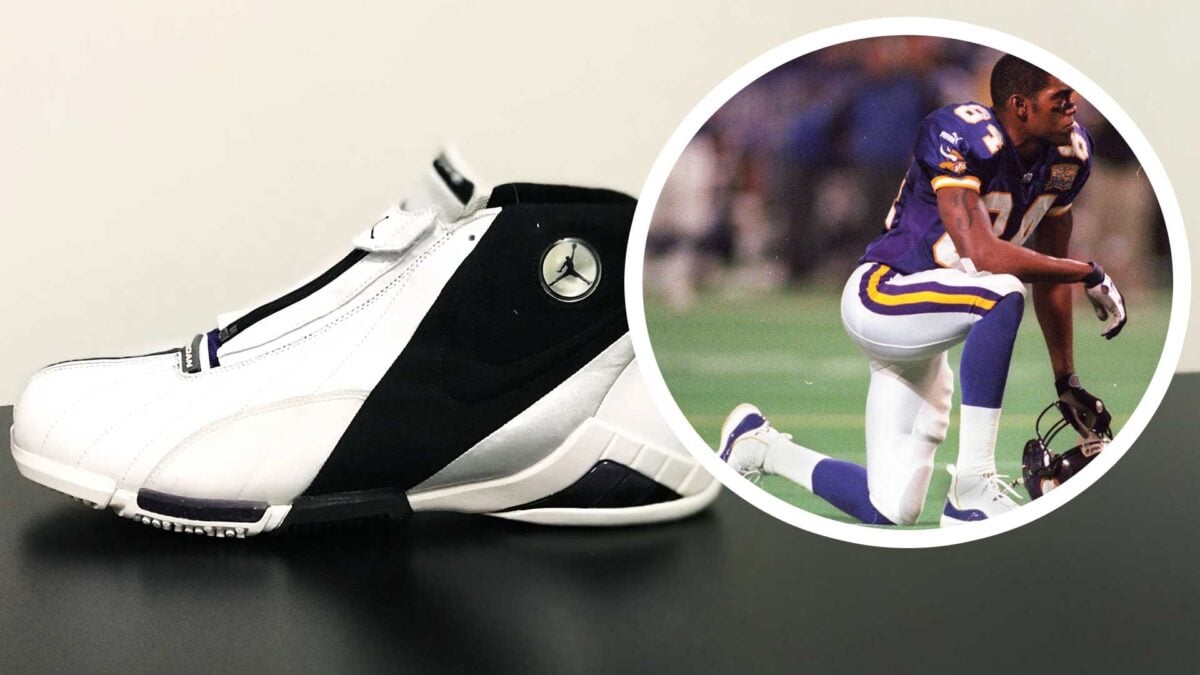
Jordan Brand’s first non-hoops signature shoe went to NFL wide receiver Randy Moss. Freakish workouts inspired the name. Then came the Mossified. Big M logo on the heel. Jordan Brand expanding beyond basketball while Jordan retired from it.
Air Jordan 21 Hid an Anti-Counterfeit Message
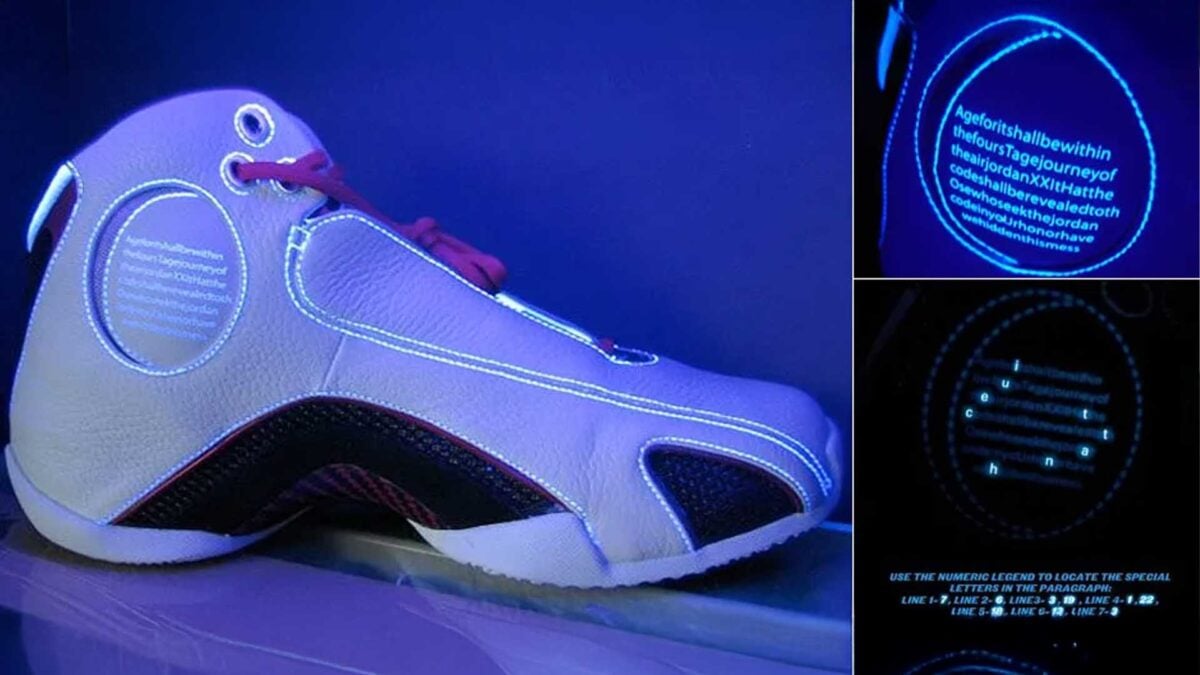
The Air Jordan 21 included a hidden blacklight message. Decode it and you get one word: Authentic. This was 2006. Pre-StockX. Jordan Brand fought fakes creatively.
Air Jordan Turned $94 Million Into a Billion
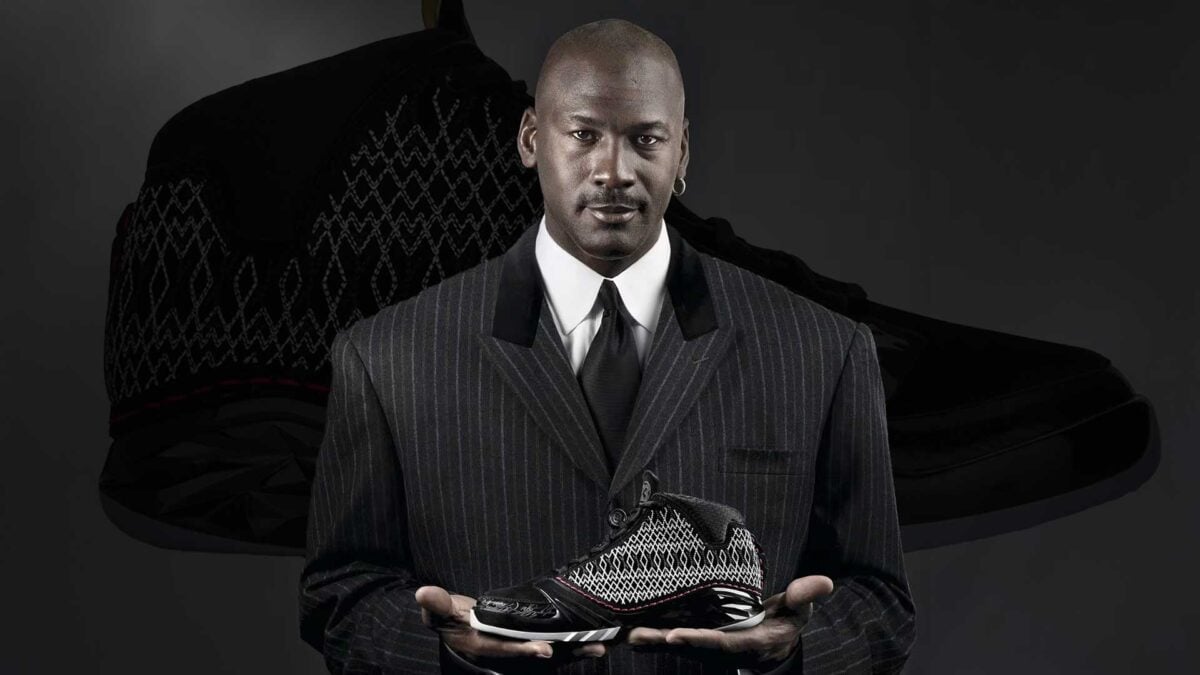
Jordan earned $94 million across 15 NBA seasons. In 2023 alone, he made $330 million from his 5 percent Air Jordan royalty. Sneakers built the fortune, but basketball started it. And today, pricing keeps pushing it higher.
RELATED: Hidden Details & Secrets on Air Jordan Sneakers You Probably Missed