


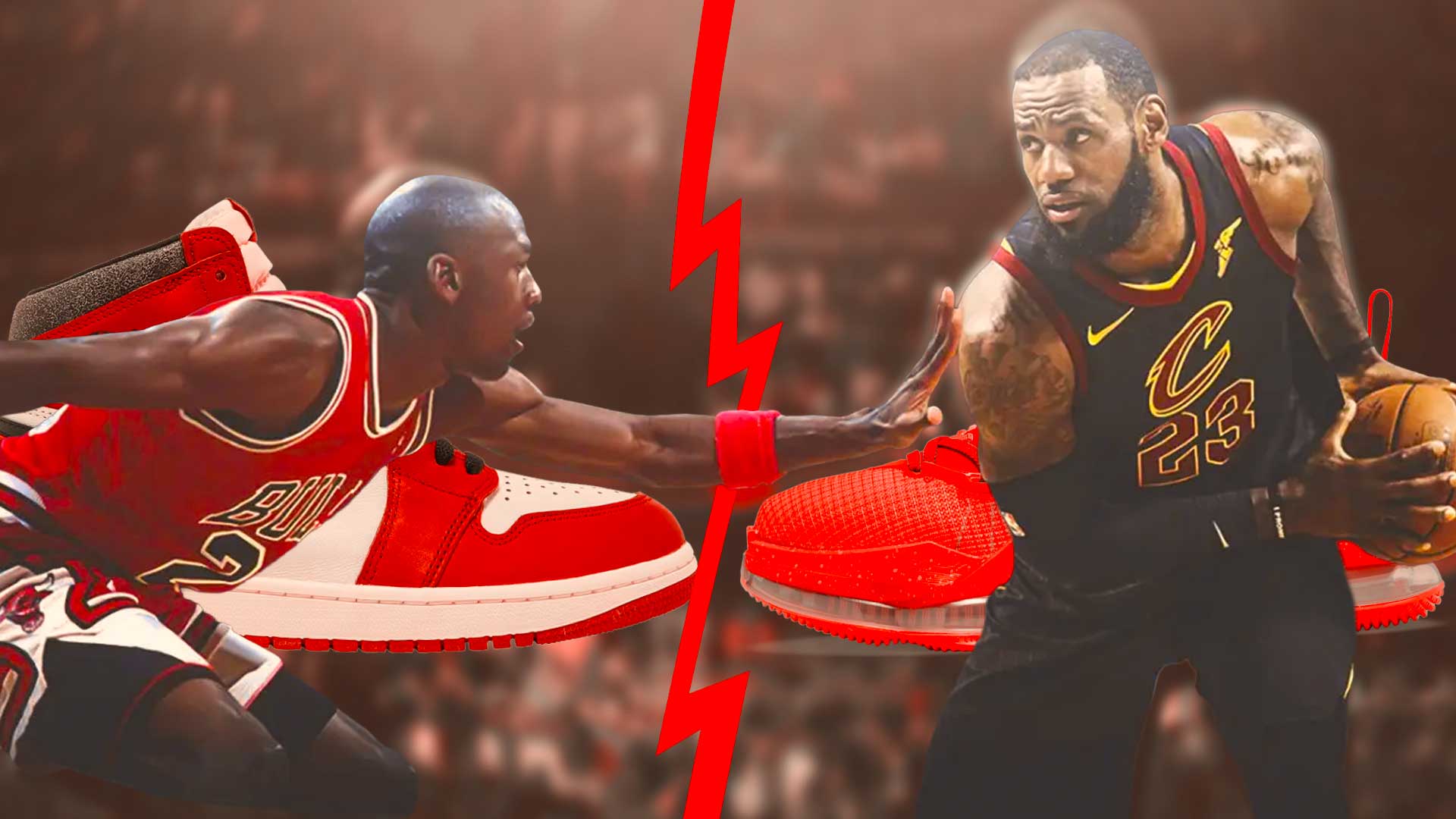


LeBron James jumped back into the NBA stars now vs the ’80s and ’90s debate on the Mind the Game podcast, and if you’ve been online or seen any game in the last few years, you already know how that convo goes. He says today’s NBA grind hits harder than the league Michael Jordan ruled in the 1980s and 1990s, even if it looks cleaner on TV. “I want people to understand, and our fans to understand, that playing 82 games in the ’80s and ’90s is not the same as playing 82 games in the 2020s. It’s just not. The way we play, the level of pace, the level of speed we’re playing at, it’s a different game now.”
That’s a bold statement, especially for those who still hail Michael Jordan as the GOAT.
But Lebron is talking about actual miles. In 2014–15, teams averaged 16.83 miles per game. In 2024–25, that number sits at 18.35. That’s a lot. Ten years ago, the Spurs led the league at 17.68. Today, that distance barely keeps you out of the bottom tier. Stretch that gap back to the Jordan era and the jump gets even bigger.
LeBron James might be talking about pace, injuries, and miles logged, but the sneaker conversation matters here, too. When he says today’s NBA is tougher than the one Michael Jordan dominated, the subtext lives on players’ feet. Sure, the numbers agree with him, too. There’s more sprinting, more stopping and more exploding in the NBA today. Sneakers take that punishment first. But do today’s players have an extra advantage thanks to the tech?

Back in 1985, when the first Air Jordan hit the NBA hardwood, performance footwear still relied on leather, basic cushioning, and simple support. That shoe, with minor tweaks, still sells nearly 40 years later. You can wear Jordan 1s with jeans, a suit jacket, or beat them up daily, and no one blinks. Back then, sneakers were made to live on and off the court. But LeBron’s newer sneakers are focused on tech and performance while dribbling and shooting hoops.
But LeBron also points to injuries changing basketball today. “It’s a totally different game. You see a lot more soft tissue injuries now because of it.” Back then, landing in traffic meant rolled ankles. “If you landed on someone’s ankle, you’d get a high ankle sprain and be out four to six weeks.” Now the floor is spaced, the speed is wild, and “the new high ankle sprain is the calf.”
The injury data also backs him up. From 1990 to 2023, 45 Achilles tears. Last season alone, eight. Tyrese Haliburton became the 12th star to tear an ACL or Achilles in 2024–25. Four of the league’s top five players might miss the 65-game awards cutoff. That matters to players. It matters to fans. It changes contracts. It changes the game.
Still, context cuts both ways. The 1989–90 Celtics took 106 three-point shots all season and averaged 110 points. The 2024–25 Celtics fire up 48 threes per game and score 116. More running, sure. But more efficiency back then too, depending on who you ask. The lane used to punish you for entering.
And LeBron didn’t play in that era. Fans know that and they keep reminding him of it. They also won’t ignore the comfort NBA players have today. Private jets. Personal chefs. Massage therapists. Better sneakers.
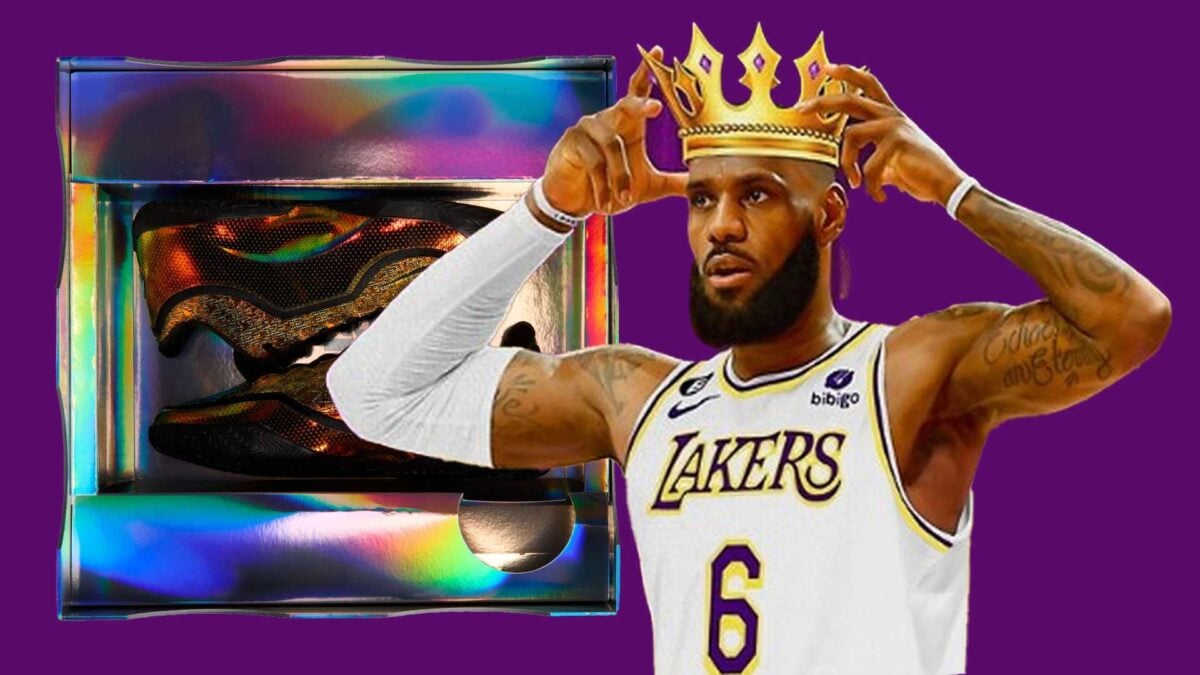
The first Air Jordan still sells four decades later. But LeBrons can barely compete. Reddit has the reasons. “Horrible with jeans. His sneakers just have bad silhouettes and gimmicks.” Another adds, “Most basketball shoes these days don’t mix well with fashion. They are strictly for the court. Jordans 1-12 goes well with streetwear.” Someone else points out the bulk. Bigger player. More cushioning. Less fashion crossover. They were made for LeBron to perform well on the court.
None of this is an excuse, but LeBron wants you to see the full picture. Basketball is a faster game with longer miles and very different injuries in 2026. The debate won’t end, but if you’re comparing eras without tracking what the players’ bodies actually endure, you’re skipping half the game.
RELATED: Ric Mestre Reveals New York Knicks Point Guard Jalen Brunson Refused A Nike Signature Sneaker