

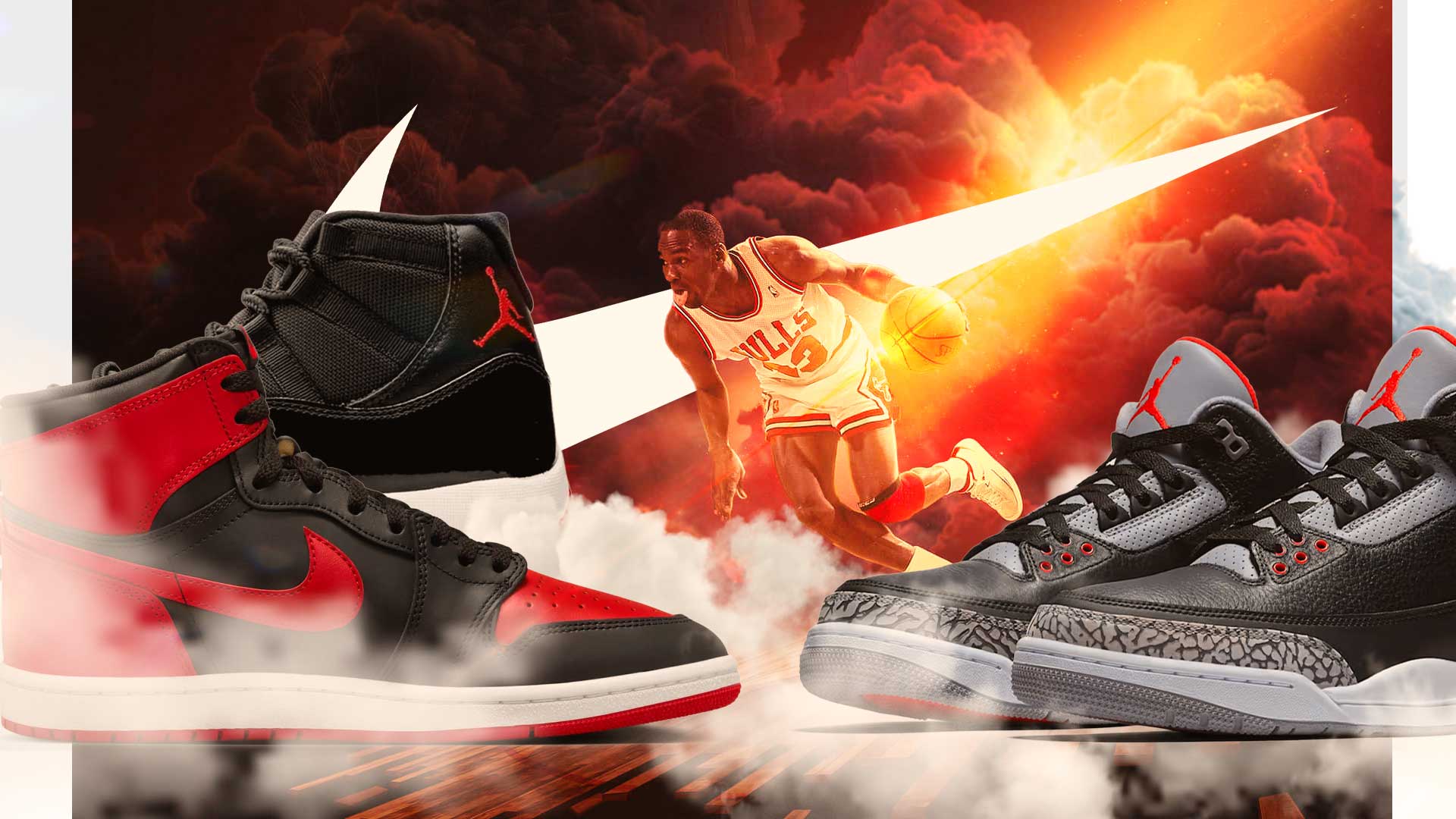


Walk into a sneaker store in early 2026, and you’ll be shocked to see walls and walls packed with Air Jordans in full-size runs. There’s no lines curling around the block anymore. Mostly, you’ll just find plenty of black Nike and Jordan boxes. Sitting. Gathering dust in a corner. Many of them have discount stickers slapped on, even the pairs that once caused fistfights in parking lots.
This isn’t some online rumor cooked up for clicks. It’s visible. Go have a look at JD Sports and you’ll see Fire Red 5s still there. Pure Money 3s untouched. Shattered Backboards hanging around longer than anyone expected. UNC Reimagines marked down weeks after release. These were the kind of sneakers that used to sell out before you could even log onto the SNKRS app.
Visit an outlet store, and it’s even worse. Entire size runs of the A Ma Maniére Air Jordan 4s sitting. Jordan 1 Low Obsidians discounted. Royal Reimagines pushed to the back wall. UNC colorways everywhere. At that point, it doesn’t feel like a slowdown. It feels like a reset.
The question everyone’s circling around is simple. Are Jordans dead? Or is sneaker culture itself cooling off?
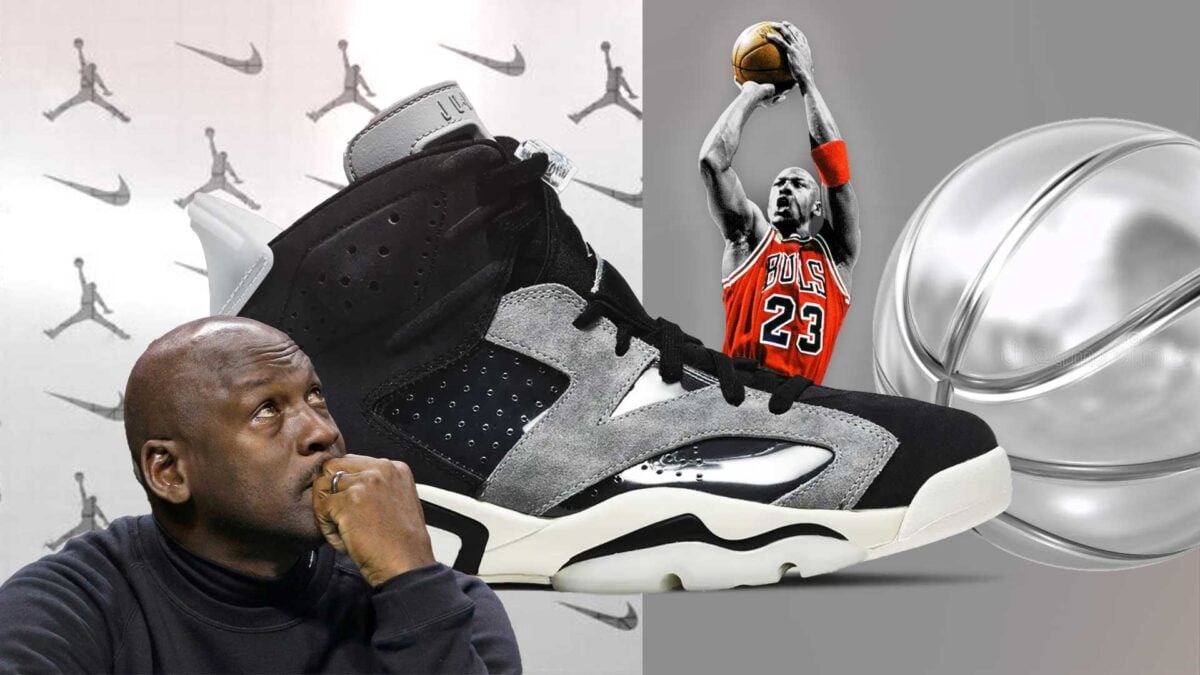
The sneaker boom of 2020 and 2021 warped expectations. Every retro sold out. Every collaboration printed money. Reselling went from a side hustle to a full-time identity. Kids learned stock terms through shoe apps. Grown adults bragged about “cooking” on release mornings. That stretch didn’t just raise prices. It inflated reality.
Back then, almost anything with a Jumpman felt safe. Even pairs people didn’t really like moved fast because someone else would want them. The resale floor carried everything. When that floor dropped, the illusion cracked.
Now, in 2026, most of those resellers are gone. Poof! Vanished with the wind. Some drifted into Pokémon cards. Others chased Labubu figures. A few stuck it out and quietly downsized.
That doesn’t mean sneakers stopped mattering. It means the easy money left the room.
Prices and tariffs certainly didn’t help. Retro Jordans creeping past $200 started to hit wallets harder, especially in this economy. When quality slipped, too, frustration followed. People picked up pairs with uneven leather cuts, stiff soles, and glue stains in recent years. So, paying more and feeling like you’re getting less angered sneakerheads.
What makes this awkward for Jordan Brand is that retros themselves aren’t the problem. Retro sneakers are thriving. Just not theirs. Adidas can’t keep Sambas on shelves. New Balance keeps winning with runners from the late 90s and early 2000s. ASICS turned archived silhouettes into daily essentials.
So why are Jordans struggling in that same lane?
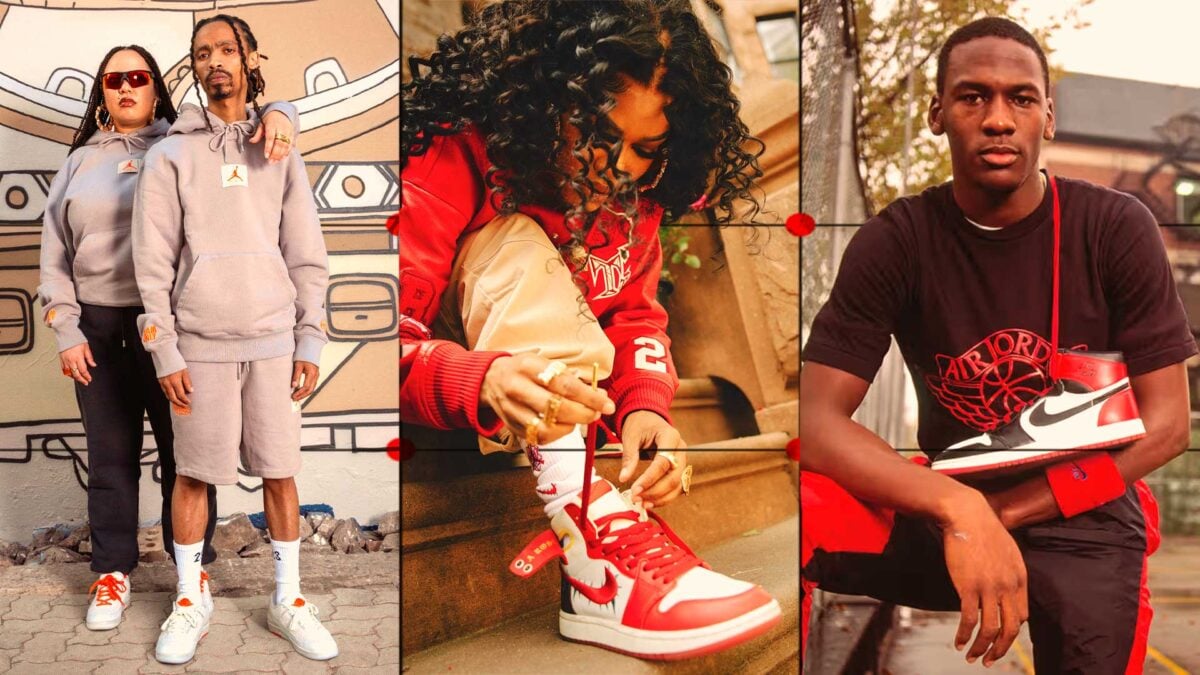
Aside from the price, the stock and the quality itself, the word “comfort” keeps coming up with sneakerheads too. Post Covid-19, most people would much rather wear shoes they can wear all day than suffer for fashion. That’s exactly why we’ve seen brands like Crocs and Hoka accelerate in sales in 2025. People don’t want the fuss anymore. They want to feel relaxed. And that’s something Jordans never really chased.
Practicality matters more than it used to. Shoes now have to work across more of your day. Walks. Travel. Long hours. Standing. Sitting. Moving. Retro Jordans were built for basketball courts or streets in the 80s and 90s. They look iconic, sure, but they don’t always feel great… or give you that relaxed comfort feeling.
In fact, we could argue that the only pair that really does that is probably the Air Jordan 11, a sneaker that still gets a ton of hype today. Just recently, the Gammas dropped, and that flew off the shelves again. But, honestly, you can’t bank on one silhouette to save Nike and Jordan from being irrelevant in 2026.
The other issue is oversupply. Jordan Brand didn’t just increase prices. It increased volume. Too many releases, some would say. Too many colorways of the Air Jordan 1s and Air Jordan 4s, with way too little breathing room between drops. Even diehard collectors can’t keep up anymore. It feels like there’s a new color of your favorite shoe every week now. And it’s becoming too much, especially since they’re just different colors. When everything releases, nothing feels urgent.
That urgency used to carry Jordans through slower designs and odd color blocking. Without it, pairs have to stand on their own. Many don’t. They land, sit, then quietly move to outlets.
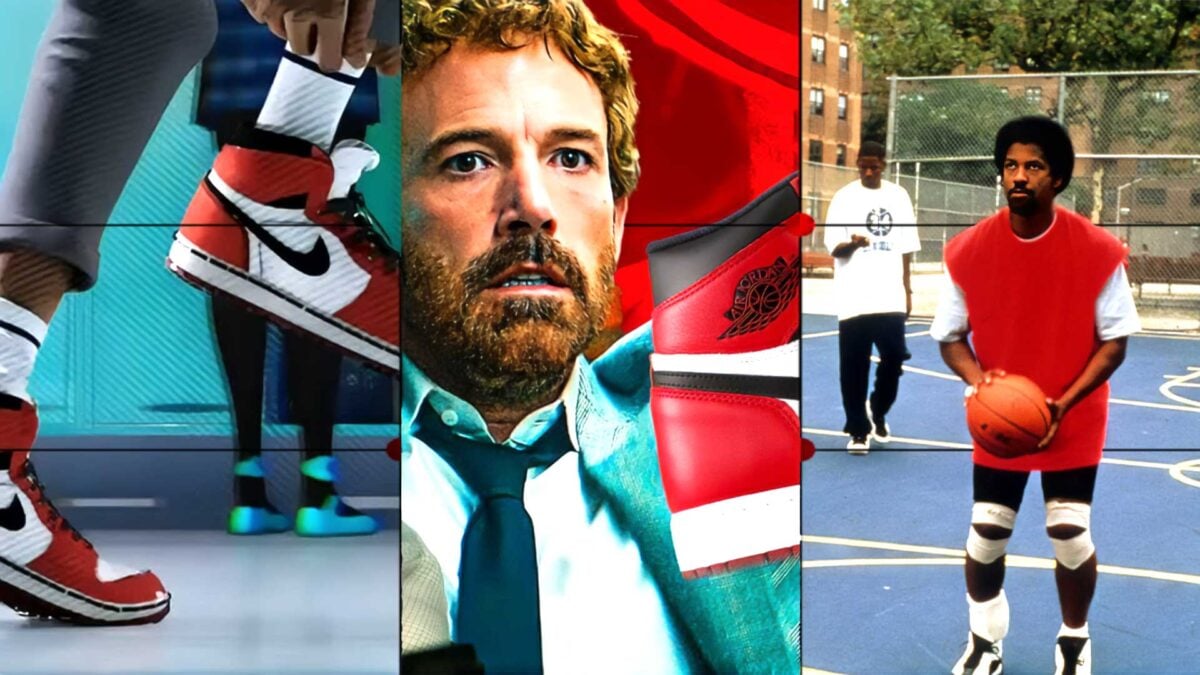
Of course, none of this means Jordans are actually finished forever. Trends don’t vanish overnight. And even if they did, this is a brand that is known for its comebacks, just like the player it represents. Michael Jordan has stepped in and out of the spotlight for years now. And every time the public forgets his name, he gives them a reason to remember him. Just recently, Netflix’s The Last Dance reminded everyone why Michael Jordan was the greatest of all time. These shoes are directly tied to that legacy.
Right now, retro runners are having their moment. But that cycle always swings back. These are shoes that have stood the test of time. They’ve been around for more than 40 years. They’re not going to go away. They’ve proven that.
What’s different now is that people aren’t waiting around for it. They’re experimenting. Trying brands they ignored for years. Buying shoes that they can actually wear all day. Discovering that hype actually isn’t required for enjoyment.
That shift explains why shelves look the way they do.
Jordan Brand still matters. Nike still dominates. They’re just not the only go-to sneaker anymore.
RELATED: 23 Little-Known Air Jordan Facts That Changed Sneaker Culture